
How a Prosthodontist Keeps Lions, Tigers, and Primates Pain-Free
From root canals on tigers to prosthetic fixes for beaks, a human-trained prosthodontist is redefining interdisciplinary care at Zoo New England.
On any given day, prosthodontists are restoring function and esthetics for human patients, but for Steven Spitz, DMD, a Boston prosthodontist, the operatory occasionally shifts to the wild. As consulting dentist for Zoo New England since 2014, Spitz applies advanced restorative principles to a patient population that can’t describe symptoms, sit still, or return for multiple adjustments.
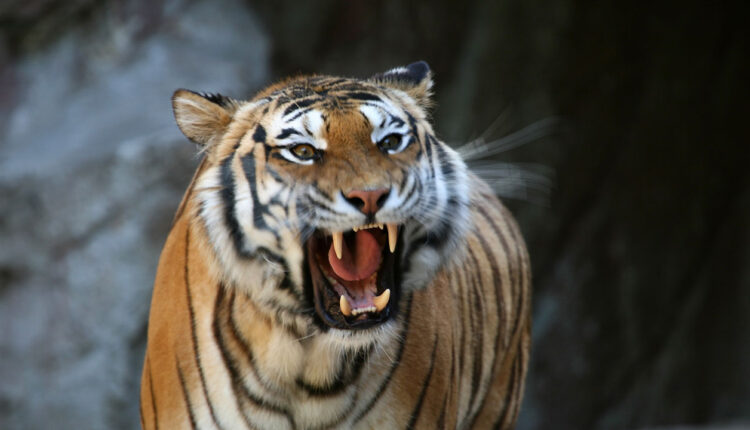
Zoo veterinarians typically call when behavior changes, such as refusal to eat, agitation, or unexplained lethargy. In one case, a tiger’s sudden aggression traced back to endodontic pain; after treatment, the behavior resolved. It’s a striking reminder that oral pathology can manifest systemically and behaviorally, even across species.
Spitz’s role highlights the value of prosthodontic training in complex, high-stakes scenarios. Procedures often involve severe wear, fractures, or periodontal diseases, with treatment plans condensed into a single anesthetic window. There are no second chances, making diagnosis, material selection, and execution critical. His toolkit includes modified endodontic files, restorative materials, and creative problem-solving.
Interprofessional collaboration is central. Veterinarians manage anesthesia and systemic health, while Spitz contributes a dental lens, interpreting imaging, planning restorations, and executing procedures. The dynamic mirrors multidisciplinary care models in human healthcare, but with added unpredictability. Perhaps most compelling for clinicians is the translational insight. Big cats share dental pathologies with domestic animals and even parallels with human conditions. Spitz has also adapted prosthodontic concepts beyond teeth, such as reshaping a bird’s beak using acrylic to guide function, akin to orthodontic correction. Click here to read more.