
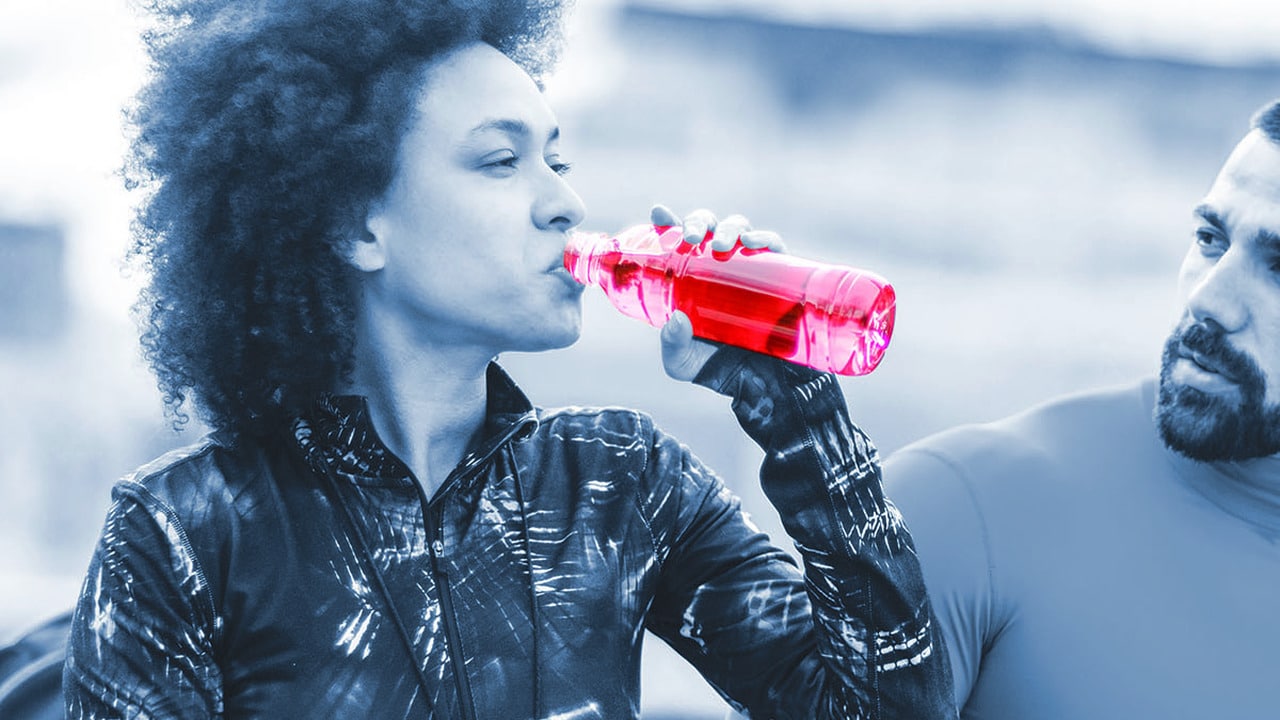
Energy Drinks Fuel Dental Erosion
Frequent energy drink consumption can expose enamel to repeated acid attacks, making early detection, fluoride therapy, and behavior modification essential tools for prevention.
Energy drink consumption has increased dramatically among adolescents and young adults. Marketed as products that enhance performance, focus, and endurance, energy drinks are now widely consumed in academic, athletic, and professional settings. Studies suggest frequent daily consumption of energy drinks increases cumulative acid exposure and contributes to dental erosion.1-5
Dental hygienists play a critical role in identifying acid erosion because they are often the first clinicians to notice early signs of enamel wear during routine prophylaxis and examinations. By recognizing patterns of erosion and discussing dietary habits, medical conditions, or lifestyle factors with patients, dental hygienists can help prevent further tooth damage through early intervention and patient education.3,6
Pathophysiology of Dental Erosion
Dental erosion refers to the irreversible loss of tooth structure caused by repeated acid exposure unrelated to bacterial activity. Erosion is caused by the direct action of acids on enamel and dentin. Dietary acids are among the leading contributors, and energy drinks are particularly erosive due to their low pH, high titratable acidity (or erosive potential), and the presence of chelating agents such as citric acid.4,6,7-9 Saliva helps protect enamel by neutralizing acids, diluting acidic challenges, and supplying minerals necessary for remineralization. However, repeated exposure to acid can overwhelm these protective mechanisms, leading to progressive enamel softening and mineral loss.3,10
Risk Assessment and Early Detection
Early identification of dental erosion is critical. Clinical signs may include loss of surface gloss, enamel thinning at the incisal edges, cupping or concavities on occlusal surfaces, increased translucency of anterior teeth, and, in advanced stages, dentin exposure or yellowing.3 A thorough assessment should include a detailed dietary history, including the type, frequency, and timing of acidic intake, along with an evaluation of behavioral patterns, such as sipping or nighttime consumption. Detecting acid erosion requires the oral health professional to document findings thoroughly via radiographs, study models, intraoral scans and indices, such as the basic erosive wear examination, which can assist with standardized recording.11,12
Multiple chemical and behavioral factors contribute to erosion risk associated with energy drink consumption, including low pH, sipping behaviors, and reduced salivary buffering capacity (Table 1).4,7 Additionally, dental hygienists should recognize when referral or interprofessional collaboration is warranted, particularly in cases associated with systemic or behavioral conditions.13
| Risk Factor | Mechanism of Erosion | Associated Behavior | Risk Level |
|---|---|---|---|
| Low pH/high acidity | Acids directly dissolve hydroxyapatite, releasing calcium and phosphate from the enamel surface | Regular daily consumption of energy drinks; multiple exposures per day | High |
| High titratable acidity | Prolonged acid buffering delays pH neutralization by saliva, extending demineralization | Sipping slowly over extended periods; holding drinks in the mouth before swallowing | High |
| Citric acid (chelation) | Chelates calcium ions from enamel, accelerating mineral breakdown | Frequent consumption of citric acid–containing beverages between meals | High |
| Sipping/slow exposure | Repeated prolonged acid contact increases enamel surface demineralization | Prolonged bottle or can use throughout the day | High |
| Immediate brushing after acid exposure | Mechanical abrasion of acid-softened enamel accelerates enamel loss | Brushing within 30 to 60 minutes after acidic beverage consumption | High |
| Swishing acidic drinks | Increase surface contact area and exposure time | Habitual swishing before swallowing | High |
| Nighttime consumption | Reduced salivary flow during sleep limits buffering and remineralization | Consuming energy drinks late at night | High |
| Between-meal intake | Acid exposure without food buffering prolongs low oral pH | Consuming energy drinks as snacks or throughout the day | Moderate |
| Frequency of intake | Cumulative acid exposure increases enamel dissolution | Multiple daily servings | Moderate |
| Reduced salivary buffering | Delayed pH recovery and reduced remineralization | Xerostomia, dehydration, mouth breathing, medication use | Moderate |
| With-meal consumption | Food stimulates salivary buffering and reduces acid exposure time | Drinking energy drinks only during meals | Lower |
Routine erosion screening and individualized preventive counseling should be standard components of dental hygiene assessments for patients who consume frequent acidic beverages. Table 2 (page 12) summarizes key acidic ingredients found in common energy drinks, their typical pH ranges, and clinical implications for erosion management. Energy drinks commonly contain multiple co-existing organic acids, including citric, phosphoric, malic, ascorbic, and carbonic acid with pH values ranging from 2.0 to 4.5. These acids create a composite erosive burden that extends beyond what a single pH measurement can capture.4,6,7 Clinicians who identify specific acid ingredients on beverage labels during dietary history review are better positioned to tailor fluoride therapy, patient counseling priorities, and the urgency of preventive intervention to each patient’s acid exposure profile.6,12
| Ingredient | Typical pH | Example Energy Drinks | Clinical Significance |
|---|---|---|---|
| Citric acid | 2.0 to 3.5 | Red Bull (original and sugar-free) Monster Energy (original and zero) Bang Energy Celsius 5-hour Energy Reign Total Body Fuel |
|
| Phosphoric acid | 2.3 to 3.0 | Rockstar Energy NOS High Performance Energy Full Throttle Monster Assault |
|
| Carbonic acid (carbonation/CO₂) | 3.5 to 4.5 | Red Bull Monster Energy Rockstar Energy NOS Full Throttle |
|
| Malic acid | 2.5 to 3.5 | Monster Ultra (fruit varieties) Celsius Sparkling (fruit flavors) Guru Organic Energy Xyience Energy |
|
| Ascorbic acid (vitamin C) | 2.2 to 3.0 | Celsius Reign Total Body Fuel 5-hour Energy Advocare Spark |
|
Prevention and the Role of Fluoride
Because dental erosion is irreversible, prevention and early intervention are essential. Fluoride remains a key component of erosion management, with evidence supporting its ability to reduce demineralization.14 Fluoride works primarily at the enamel surface, where it becomes incorporated into hydroxyapatite crystals, forming a fluoridated mineral phase that dissolves more slowly under acidic conditions. This process strengthens enamel and reduces mineral loss during both caries- and erosion-related acid challenges.14
In addition to modifying enamel crystals, fluoride forms calcium deposits on the tooth surface, particularly when calcium is readily available. These deposits function as a temporary fluoride reservoir. Under normal conditions, they remain stable; however, when pH decreases, they release fluoride ions that limit further demineralization and enhance remineralization once pH levels recover. This reservoir effect is particularly important for patients who frequently experience acidic exposures.14
During the development of early enamel lesions, acids create subsurface mineral loss without visible surface breakdown. When pH normalizes, saliva supplies calcium and phosphate, while fluoride promotes faster and more stable mineral redeposition.10,14 The remineralized enamel becomes more acid-resistant, allowing early noncavitated lesions to be arrested or reversed. Clinically, fluoride benefits both caries and erosion management; however, in erosion prevention, its protective effect relies heavily on consistent fluoride availability rather than permanent crystal changes. Regular low-dose fluoride exposure is therefore essential for patients at risk of repeated acidic challenges.14 Not all fluoride therapies provide the same level of protection against erosive tooth wear. Differences in fluoride chemistry, concentration, and delivery systems influence their effectiveness in reducing enamel softening and promoting remineralization.15
Stannous fluoride (0.4% gel or 0.15% rinse) forms acid-resistant tin phosphate fluoride surface complexes that reduce enamel softening and are particularly indicated for active or rapidly progressing erosion and dentin hypersensitivity.15 Amine fluoride, available in dentifrices and rinses at 1,250–1,450 ppm, creates a fluoride-rich protective pellicle with enhanced surface adherence, making it well-suited for adolescents and young adults at elevated erosion risk.15 Sodium fluoride varnish (≥ 5%, 22,600 ppm) forms calcium fluoride–like reservoirs that release fluoride during acid exposures and is strongly indicated for high-risk patients, including those with xerostomia or multiple daily acid exposures.16
For patients with persistent high-risk acid exposure, a sequential protocol of calcium pretreatment followed by a 0.05% sodium fluoride rinse may enhance calcium fluoride deposition and overall fluoride uptake.14 In severe cases unresponsive to standard therapies, titanium tetrafluoride (4%) forms a highly acid-resistant titanium-oxide–fluoride layer and may concurrently reduce dentin hypersensitivity.17 Standard over-the-counter sodium fluoride toothpaste (1,000–1,450 ppm) remains appropriate for baseline prevention in low-to-moderate risk individuals (Table 3).15
| Fluoride Type | Form/Concentration | Mechanism of Action | Clinical Indications |
|---|---|---|---|
| Stannous fluoride (SnF₂) | 0.4% gel; 0.15% rinse; dentifrice | Forms acid-resistant tin phosphate fluoride surface complexes that reduce enamel softening and mineral loss | Active or rapidly progressing erosion; frequent acidic beverage consumers; dentin hypersensitivity |
| Amine fluoride (AmF) | 1,250 to 1,450 ppm dentifrice or rinse | Creates a fluoride-rich protective pellicle and improves adherence to tooth surfaces | Early erosive changes; adolescents and young adults at elevated erosion risk |
| Sodium fluoride (NaF) varnish | ≥ 5% NaF (22,600 ppm) professional varnish | Forms calcium fluoride-like reservoirs that release fluoride during acid exposure and enhance remineralization | High-risk patients with erosive signs, xerostomia, or multiple acidic exposures |
| High-concentration NaF toothpaste | 5,000 ppm (1.1% NaF) prescription dentifrice | Enhances fluoride incorporation into enamel and promotes remineralization of early erosive lesions | Progressive erosion; frequent acidic exposures; dentin hypersensitivity |
| Standard NaF toothpaste | 1,000 to 1,450 ppm over-the-counter dentifrice | Provides consistent fluoride exposure and supports remineralization | Baseline prevention for low-to-moderate risk individuals |
| Sequential calcium + low-concentration NaF rinse | Calcium pretreatment followed by 0.05% NaF rinse | Enhances calcium fluoride deposition and fluoride uptake | Patients with persistent high-risk acid exposure or limited response to standard fluoride therapy |
| Titanium tetrafluoride (TiF₄) | 4% professional solution | Forms a highly acid-resistant titanium-oxide–fluoride layer and may reduce dentin hypersensitivity | Severe or rapidly progressing erosion unresponsive to standard fluoride therapies |
| Sodium mon fluorophos phate (MFP) | 0.8% MFP over-the-counter dentifrice | Releases fluoride ions gradually through enzymatic hydrolysis | Low-to-moderate erosion risk patients or when other fluoride formulations are not tolerated |
Evidence-Based Clinical Recommendations
Daily use of fluoride toothpaste, including high-fluoride prescription formulations (eg, 5,000 ppm) for high-risk individuals, should be recommended alongside low-abrasive products to minimize additional enamel loss.14,15,18 Patients at high caries risk should receive an application of 5% sodium fluoride varnish to enhance remineralization and form a calcium fluoride–like reservoir that increases resistance to acid challenges.16,18 For patients with dentinal hypersensitivity, desensitizing agents and in-office fluoride applications can provide symptom relief while addressing underlying erosion. Selection of fluoride therapy should be based on erosion severity, patient risk level, frequency of acidic exposure, and the presence of dentin hypersensitivity.15,19-21
Emerging evidence also suggests that nonfluoride remineralization agents, such as casein phosphopeptide–amorphous calcium phosphate and hydroxyapatite-based formulations, may serve as adjunctive strategies for patients seeking fluoride-free options or requiring additional remineralization support.21 Fluoride-containing mouthrinses may further augment the protective effect of fluoride dentifrices, particularly for patients with high frequency of acid exposure.22
Patients should also be counseled on the timing of toothbrushing relative to acid exposure; current evidence suggests that brushing immediately after consumption of acidic beverages may accelerate enamel loss. A waiting period of at least 30 to 60 minutes is recommended to allow for salivary neutralization and partial remineralization.23
Behavior modification is essential for the long-term management of dental erosion, and motivational interviewing has proven to be an effective patient-centered approach. Clinical strategies include asking open-ended questions; encouraging gradual reduction rather than immediate elimination of acidic beverages; setting achievable goals, such as limiting intake to mealtimes; and reinforcing positive behavioral changes, including reduced sensitivity or decreased consumption frequency.24
Motivational interviewing techniques, such as expressing empathy, supporting patient autonomy, and exploring readiness for change, may be particularly effective in improving adherence among adolescents and young adults.24
Conclusion
The increasing consumption of energy drinks poses a significant challenge to oral health due to their high acidity and association with dental erosion. Dental hygienists play a critical role in the early identification of erosive wear, patient education, and implementation of preventive strategies. Through routine erosive assessments, individual dietary counseling, enamel resistance, and remineralization, dental hygienists can help reduce the long-term effects of acid exposure. Integrating these preventive measures into early clinic practice is essential to preserving enamel integrity and promoting overall health in patients at risk for dental erosion.
References
- Schmidt J, Huang B. Awareness and knowledge of dental erosion and its association with beverage consumption: a multidisciplinary survey. BMC Oral Health. 2022;22:35.
- Chan AS, Tran TTK, Hsu YH, Liu SYS, Kroon J. A systematic review of dietary acids and habits on dental erosion in adolescents. Int J Environ Res Public Health. 2020;17:8620.
- Lussi A, Jaeggi T. Erosion — diagnosis and risk factors. Clin Oral Investig. 2008;12(suppl 1):S5–S13.
- Saads Carvalho T, Lussi A. Chapter 9: Acidic beverages and foods associated with dental erosion and erosive tooth wear. Monogr Oral Sci. 2020;28:91–98.
- Gálvez-Bravo F, Pérez-Díaz L, Gálvez-Bravo M, et al. Erosive potential of sports, energy drinks, and isotonic solutions on athletes’ teeth: a systematic review. Nutrients. 2025;17:403.
- Donovan T, Nguyen-Ngoc C, Abd Alraheam I, Irusa K. Contemporary diagnosis and management of dental erosion. J Esthet Restor Dent. 2021;33:78–87.
- Lussi A, Jaeggi T, Zero D. The role of diet in the aetiology of dental erosion. Caries Res. 2004;38(Suppl 1):34–44.
- Reddy A, Norris DF, Momeni SS, Waldo B, Ruby JD. The pH of beverages available to the American consumer. J Am Dent Assoc. 2016;147(4):255–263.
- Inchingolo AM, Patano A, Coloccia G, et al. Damage from carbonated soft drinks on enamel: a systematic review. Nutrients. 2023;15(7):1785.
- Buzalaf MAR, Hannas AR, Kato MT. Saliva and dental erosion. J Appl Oral Sci. 2012;20(5):493–502.
- Bartlett D, Ganss C, Lussi A. Basic Erosive Wear Examination (BEWE): a new scoring system for scientific and clinical needs. Clin Oral Investig. 2008;12(suppl 1):S65–S68.
- O’Toole S, Marro F, Loomans B, Huysmans MCDNJM, Satterthwaite JD, Wilson NHF. Monitoring of erosive tooth wear. Br Dent J. 2023;234:463–467.
- Ariyanayagam Y. A dental hygienist’s and therapist’s guide to the management of tooth erosion. Prim Dent J. 2016;5:58–62.
- Chawhuaveang DD, Yu OY, Yin IX, Lam WYH, Chu CH. Topical agents for nonrestorative management of dental erosion: a narrative review. Healthcare (Basel). 2022;10:1413.
- Ganss C, Schlueter N, Hardt M, Schattenberg P, Klimek J. Effect of fluoride compounds on enamel erosion in vitro: a comparison of amine, sodium and stannous fluoride. Caries Res. 2008;42:2–7.
- Lussi A, Buzalaf MAR, Duangthip D, et al. The use of fluoride for the prevention of dental erosion and erosive tooth wear in children and adolescents. Eur Arch Paediatr Dent. 2019;20:517–527.
- Epple M, Enax J, Meyer F. Prevention of caries and dental erosion by fluorides—a critical discussion based on physico-chemical data and principles. Dent J (Basel). 2022;10:6.
- Ganss C, Young A, Schlueter N. The role of fluoride in erosive tooth wear. Monogr Oral Sci. 2025;33:202–215.
- da Silva BM, Rios D, Foratori-Junior GA, et al. Effect of fluoride group on dental erosion associated or not with abrasion in human enamel: a systematic review with network meta-analysis. Arch Oral Biol. 2022;144:105568.
- Né YGS, Souza-Monteiro D, Frazão DR, et al. Treatment for dental erosion: a systematic review of in vitro studies. PeerJ. 2022;10:e13864.
- Inchingolo F, Dipalma G, Azzollini D, et al. Advances in preventive and therapeutic approaches for dental erosion: a systematic review. Dent J (Basel). 2023;11:274.
- Raj R, Haideri S, Yadav BK, Chandra J, Malik R, Raj A. The effect of mouthwashes on fluoride dentifrices in preventing dental abrasion or erosion. J Med Life. 2021;14:361–366.
- Fernández CE, Silva-Acevedo CA, Padilla-Orellana F, Zero D, Carvalho TS, Lussi A. Should we wait to brush our teeth? A scoping review regarding dental caries and erosive tooth wear. Caries Res. 2024;58:454–468.
- Rollnick S, Miller WR, Butler CC. Motivational Interviewing in Health Care: Helping Patients Change Behavior. New York: Guilford Press; 2008.
From Dimensions of Dental Hygiene. November/December 2026; 24(6):10-13