
The Future of Enamel Repair
Scientists are exploring new ways to rebuild enamel’s structure, not simply replace lost minerals.
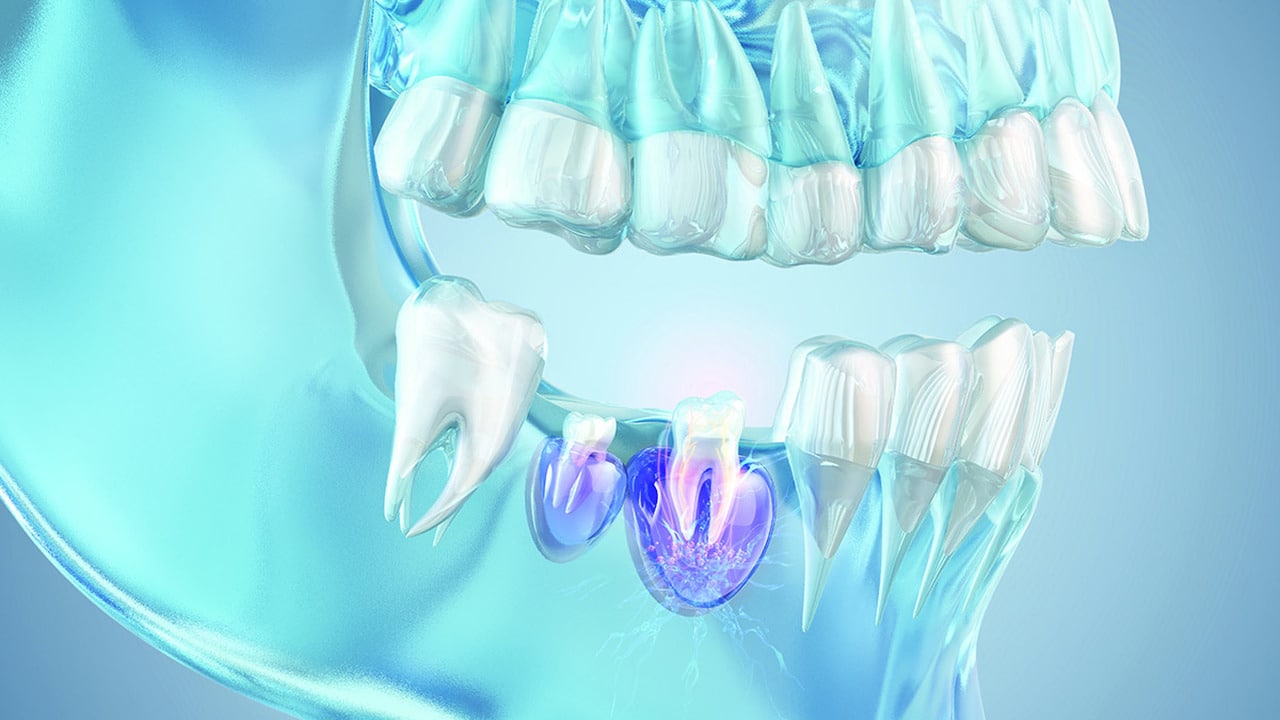
Enamel degradation is a cumulative and irreversible process driven by chemical and mechanical insults that progressively compromise tooth structure. Repeated exposure to dietary and plaque biofilm acids initiates surface demineralization, while abrasion, attrition, and erosion further accelerate enamel loss.1,2 Over time, these processes contribute to structural weakening, hypersensitivity, and increased susceptibility to caries. Contemporary enamel management encompasses remineralization, repair, and regeneration — each representing distinct therapeutic objectives.
Remineralization involves mineral redeposition within partially demineralized enamel, whereas repair strategies seek partial recovery of surface integrity or function through restorative or biomaterial-based approaches.3 Regeneration, in contrast, aims to recreate enamel-like tissue with structural and mechanical properties more closely resembling native enamel.4-6 Given enamel’s limited biologic capacity for self-renewal, emerging biomimetic materials, laser-assisted therapies, and tissue-engineering approaches are increasingly being investigated as potential strategies for functional enamel repair and regeneration.3,4,7
Successful enamel regeneration requires more than simple mineral replacement. Enamel repair strategies can be differentiated by currently available clinical approaches, emerging technologies, and experimental approaches. These methods range from preventive interventions and chemical remineralization to advanced biomineralization techniques and tissue-engineered regenerative systems.3
Integrated Preventive and Regenerative Approaches
Advancements in enamel regeneration are increasingly supported by improvements in early detection and preventive diagnostics, allowing clinicians to intervene before irreversible structural damage occurs.1,2 Emerging approaches integrate diagnostic imaging, surface analysis, and biomaterial application to target lesions at their earliest stages.
Biomimetic regeneration strategies are most effective when residual enamel structure is still present, as it provides a scaffold for mineral redeposition.3 This reinforces a shift toward preventive-regenerative synergy, where early diagnosis and minimally invasive intervention enhance the predictability of treatment outcomes.
Biomimetics and Advanced Materials for Structural Regeneration
Traditional fluoride therapies primarily enhance mineral resistance and slow demineralization but do not fully restore enamel’s structural organization. In response to these limitations, biomimetic materials offer a more structurally informed approach by supporting mineral deposition in patterns closer to enamel’s native microarchitecture.3,5,6
Biomimetic enamel regeneration refers to approaches that imitate the natural process of amelogenesis, using engineered mineralizing agents to guide crystal nucleation, growth, and alignment.3,4,5 Some noteworthy approaches include hydroxyapatite (HAP) remineralization systems, amelogenin-inspired peptides, self-assembling peptide technologies, calcium phosphate–based materials, and ion delivery systems.3,5,6
Additionally, alternative advanced materials, such as polyzwitterion-based systems, have been developed. These materials do not directly mimic enamel formation but instead function as bioinspired systems that create a favorable environment for remineralization.8 By enhancing HAP deposition and reducing bacterial adhesion, these materials highlight the value of multifunctional approaches that support both mineral regeneration and long-term stability within the oral environment. However, additional research is needed to evaluate long-term performance and clinical applicability.3
Laser-Assisted Regeneration Technologies
Another emerging method involves laser-assisted biomineralization, which accelerates and enhances enamel crystal formation. By combining controlled energy delivery with mineralizing environments, laser-assisted approaches can generate enamel-like structures more rapidly and with greater structural fidelity than traditional chemical methods. Building on this concept, one study utilized biomimetic composite materials in conjunction with ultrafast laser processing to enhance surface integration and structural stability.9 The results demonstrated improved adhesion, surface durability, and resistance to further wear, suggesting that laser technology can both accelerate mineralization and optimize biomaterial performance.9 This combined approach underscores the potential of synergistic therapies, in which laser energy enhances both the deposition and organization of regenerative materials.
Effective enamel regeneration must recreate the organized HAP structure of natural enamel, maintain seamless integration between natural and artificial enamel, and be completed within a clinically practical timeframe — ideally within minutes. However, no current clinical techniques meet all of these requirements, making enamel regeneration an ongoing challenge.7 While initial findings are encouraging, further research is needed to evaluate the long-term clinical outcomes, cost-effectiveness, and the successful integration of these technologies into routine dental practice.3
Tissue Engineering and Biological Regeneration
Tissue engineering represents the most ambitious approach to enamel regeneration, aiming to recreate the biological processes responsible for enamel formation. Strategies involving stem cells, scaffolds, and signaling molecules designed to induce enamel matrix production and mineralization have been proposed.4 Tissue-engineered enamel regeneration is still in the proof-of-concept stage and has not yet been translated into clinical practice.
Unlike other dental tissues, enamel formation requires a highly regulated sequence of cellular interactions that are difficult to reproduce outside of developmental conditions. The absence of ameloblasts in mature teeth remains a major limitation, and current tissue-engineering approaches have not yet achieved clinically viable outcomes.3
Role of the Dental Hygienist
Dental hygienists work to address the oral health needs of patients and communities by following the dental hygiene process of care, a structured standard of practice designed to promote oral health, prevent disease, and provide patient-centered treatment. This process allows dental hygienists to identify and manage factors that contribute to oral conditions through assessment, diagnosis, planning, implementation, evaluation, and documentation.10 An important aspect of this process of care includes identifying early white spot lesions that may be appropriate for remineralization therapies before irreversible damage occurs.
Preventive education remains the foundation of enamel preservation. Dental hygienists are trained to recognize early risk factors for tooth surface loss, including dietary habits, gastric reflux, and xerostomia, allowing for timely intervention and patient counseling. Furthermore, dental hygienists must remain informed about emerging technologies and materials, distinguishing between treatments that are currently evidence-based and clinically relevant vs those that remain experimental in enamel regeneration research. Through collaboration with dentists, dental hygienists contribute to preserving tooth structure and facilitating the effective integration of enamel repair and regeneration strategies in clinical practice.11
Conclusion
Advancements in biomimetic materials, laser-assisted mineralization, and tissue engineering collectively reflect a paradigm shift from traditional symptomatic treatment toward biologically driven enamel repair and regeneration. These cutting-edge techniques demonstrate meaningful progress in replicating the highly organized structural hierarchy of enamel, though continued research is essential to translate these innovations into predictable, long-term clinical applications.
References
- Lussi A, Megert B, Shellis RP. The erosive effect of various drinks, foods, stimulants, medications and mouthwashes on human tooth enamel. Swiss Dent J. 2023;133:440-455.
- Warreth A, Abuhijleh E, Almaghribi MA, Mahwal G, Ashawish A. Tooth surface loss: A review of literature. Saudi Dent J. 2019;32:53-60.
- Sedek EM, Holiel AA. Next-generation strategies for enamel repair and regeneration: advances in biomaterials and translational challenges. Tissue Eng Regen Med. 2025;22:771-789.
- Ahmed GM, Abouauf EA, AbuBakr N, Dörfer CE, El-Sayed KF. Tissue engineering approaches for enamel, dentin, and pulp regeneration: an update. Stem Cells Int. 2020:2020:5734539.
- Liu H, Li B, Gao M, et al. Restoration of human tooth enamel. BMEMat. February 24, 2025.
- Chen X, Zhi C, Zhou X, et al. A novel biomimetic strategy for mimicking amelogenesis to repair enamel. Dent Mater. 2025;41:513-522.
- Onuma K, Pal Aniruddha, Makino M, et al. Rapid regeneration of artificial enamel using laser-assisted biomineralization: With and without mesoscale hierarchy in hydroxyapatite rods. Materials Today Communications. 2024;38:108030-108030.
- He J, Yang J, Li M, et al. Polyzwitterion manipulates remineralization and antibiofilm functions against dental demineralization. ACS nano. 2022;16:3119-3134.
- Loganathan S, Kumar S, Strafford S, et al. Direct restoration of erosive tooth wear using biomimetic composite and ultrafast laser processing: An in-situ study. Materials & Design. 2025;260:115151.
- Kwak SH, Bae SM, Shin SJ, Shin BM. Definition and classification of dental hygiene interventions based on the dental hygiene process of care: a delphi study. Int J Environ Res Public Health. 2023;20:6704-6704.
- Preshaw P, Minnery H, Dunn I, Bissett S. Teamworking in dentistry: the importance for dentists, dental hygienists and dental therapists to work effectively together—a narrative review. Int J Dent Hyg. November 4, 2024.
From Dimensions of Dental Hygiene. November/December 2026; 24(6):14-15