Povidone-Iodine May Be Dentistry’s Most Overlooked Antimicrobial
Long used as a medical antiseptic, povidone-iodine is gaining attention for its potential in dental applications.
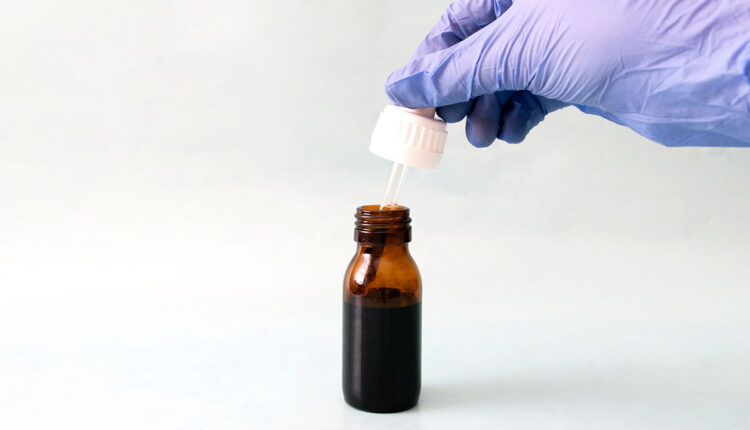
Povidone iodine (PVP-I), also known as betadine, is a combination of iodine and polyvinylpyrrolidone, a stabilizer. The World Health Organization (WHO) includes PVP-I formulations on its list of essential medicines, recognizing them as critical components of a functioning healthcare system.1
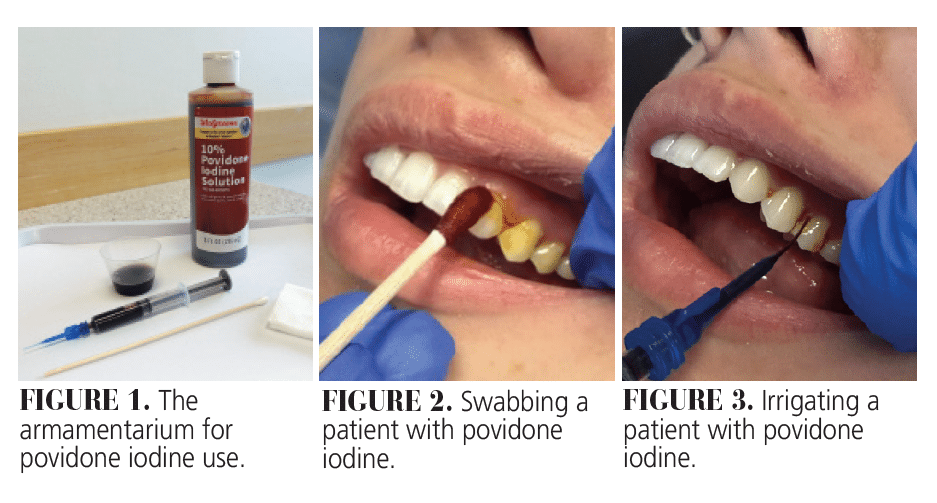
A broad-spectrum antiseptic, PVP-I is used as a topical disinfectant; in surgical and nonsurgical site preparation, such as the insertion of catheters; and in antiseptic irrigation including wounds, bladder, and bowel. Oral application of PVP-I includes swabbing, rinsing, and oral irrigation (Figures 1 to 3). PVP-I is easily available over-the-counter (OTC) and can be used as a topical antiseptic for small wounds, burns, and abrasions. Its ability to treat existing infections and stop opportunistic pathogens from spreading makes it an ideal antiseptic.2-4
 The oral and oropharyngeal cavities are an ideal home for potentially pathogenic microorganisms. PVP-I is very effective against numerous viruses, bacterial strains, fungi, and protozoa that are resistant to traditional antibiotics.3,4 PVP-I encourages the natural proliferation of normal, healthy microbiota to populate the area of application.4,5 A growing body of data demonstrates that PVP-I is a practical, efficacious, and cost-effective tool in the prevention and treatment of various dental conditions.2-10
Despite substantial benefits, PVP-I is underused in dental practice. Dental hygienists, as disease prevention specialists, should increase their awareness and knowledge of how PVP-I can be used to deter disease and improve patient outcomes, particularly in public health settings.
Caries Treatment and Prevention
According to the WHO, oral diseases are among the most prevalent noncommunicable diseases, affecting an estimated 3.5 billion people worldwide.11 Approximately 2.3 billion individuals across the globe have undiagnosed caries.11 According to a 2024 United States Centers for Disease Control and Prevention (CDC) report, one in five adults have at least one untreated carious lesion.12 In addition, children are particularly susceptible to early childhood caries.13 The WHO reports more than 530 million occurrences of untreated decay in primary dentitions.11 CDC data indicate that between 11.6% and 24.8% of children ages 6 to 8 have untreated dental decay.12
Impact on Streptococcus Mutans
PVP-I is effective in killing and reducing the growth of the bacteria that cause dental caries.3,4,13-16 A narrative review showed the following results: children remained caries free for up to 1 year with regular preventive treatments of PVP-I, the amount of Streptococcus mutans was reduced after application of PVP-I, and biofilm accumulation was decreased when used in combination with fluoride varnish.3
A systematic review revealed a significantly lower incidence of caries in both primary and permanent teeth when PVP-I was combined with fluoride varnish as compared to fluoride varnish application alone.14 Data suggest repeated applications of PVP-I enhance plaque control, particularly during dental rehabilitation in children.13-15 Several studies have demonstrated the ability of PVP-I to suppress S. mutans.3,4,13-17
Povidone Iodine Used With Fluoride
Modest evidence demonstrates that the synergistic use of PVP-I along with fluoride varnish is superior to fluoride varnish alone.14 One study concluded that multiple applications of PVP-I and fluoride varnish provided the best protection against pathogenic biofilm.13 Another study showed that S. mutans levels were lowest in the fluoride varnish group when compared to chlorhexidine (CHX) varnish and PVP-I groups.18
PVP-I is particularly appealing in the treatment of children and older adults. Dental hygienists working in mobile and direct-access settings can apply PVP-I alone or in combination with other treatments. When combined with other proven chemical agents, such as silver diamine fluoride and fluoride varnish, PVP-I provides a minimally invasive, simple treatment for high-risk patients.3,4,14,16 For patients at particularly high caries risk, dental hygienists may choose to educate parents/caregivers and patients on how to apply PVP-I at home.
A widely accepted, standardized, at-home protocol for PVP-I application for the prevention of dental caries has yet to be released. Studies involving PVP-I and oral disease have not been aimed at home use. Additionally, the studies are generally short in length, and often have a low number of participants. Data support PVP-I’s general safety profile and modest benefits; however, more studies are needed with longer trial lengths and higher participant numbers.3,4,13-16 Studies that incorporate at-home protocols would be beneficial in understanding the relevance of making a recommendation to high-risk patients.
Periodontal Diseases
Best practices for the treatment of periodontal diseases include thorough daily oral hygiene and mechanical removal of the subgingival biofilm with scaling and root planing.7,9,19 Clinicians may choose to perform subgingival irrigation post-scaling and root planing with various medicaments or water in an effort to further reduce the bacterial burden in the periodontal pocket.7,9 Popular irrigants for subgingival irrigation include salt water, CHX, and sodium hypochlorite in addition to PVP-I.7,9,19-24 Subgingival irrigation with boric acid and antibiotic preparations have also been investigated.9,20-22
PVP-I has been studied extensively as a subgingival irrigant due to its accessibility, low cost, and safety profile.7,9,19-24 PVP-I is also effective in the presence of organic material such as saliva or wound fluid. Current studies repeatedly demonstrate the efficacy of PVP-I in reducing bacterial levels in deep pockets when used as an adjunct to scaling and root planing.7,9,20,22-24 Research shows that irrigating with PVP-I after scaling and root planing can reduce plaque (PI) and gingival index (GI) scores, bleeding on probing, and clinical attachment levels.7,20,21,24 One study showed that a 2% PVP-I irrigation was highly effective against major pathogens and in reducing clinical parameters such as PI, GI, periodontal pocket depths, and clinical attachment levels.22 Compared to baseline, a 2% PVP-I protocol yielded a 40% reduction in Porphyromonas gingivalis and a 50% reduction in Tannerella forsythia at the 3-month evaluation.22
Is Povidone Iodine More Effective Than Chlorhexidine?
CHX is a widely utilized medicament in the prevention and treatment of oral diseases and is considered the “gold standard” in oral rinse.7,8,17,25,26 However, CHX has drawbacks, including extrinsic staining, increased calculus formation, and taste alteration.17,26 In vitro studies have demonstrated that CHX exerts cytotoxic effects on gingival fibroblasts and inhibits collagen production.26-28 These findings suggest a potential risk for impaired wound healing and delayed periodontal regeneration following surgical procedures, although the clinical significance remains uncertain. Additionally, although generally regarded as a broad-spectrum antiseptic, studies have shown significant limitations in its effects on certain microorganisms.4,9,25
In contrast, PVP-I has a broader spectrum of antimicrobial activity and does not appear to develop bacterial resistance.3,4,8-10,25 PVP-I has been found to rapidly kill strains of Gram-positive (methicillin-resistant Staphylococcus aureus) and Gram-negative (Pseudomonas aeruginosa and Klebsiella pneumoniae) bacteria after 30 seconds of exposure and at various dilutions, while CHX failed to kill any of the strains.4 Another study showed superior clinical attachment level gains in the PVP-I group compared to the CHX group.7 Whether CHX is better than PVP-I at preventing and treating oral disease requires more research.
Although existing studies do not demonstrate a conclusive advantage of PVP-I over CHX, dental hygienists may consider PVP-I a viable alternative. CHX typically requires a prescription and is more costly than PVP-I. However, due to the lack of standardized protocols regarding PVP-I dilution and frequency of use, dental hygienists require further evidence-based guidance on its clinical application.
Fungal Infections and Oral Mucositis
PVP-I has also demonstrated promising therapeutic potential in the management of fungal infections and oral mucositis.3-6 Unlike alcohol-based antiseptics, which provide broad antimicrobial activity but lack effectiveness against fungal and bacterial spores, PVP-I exhibits activity against both.¹ In vitro research has shown rapid antifungal effects against Candida species, and a clinical study comparing PVP-I with a botanical preparation found that both treatments resolved fungal lesions completely within 2 weeks.4 These findings suggest that PVP-I may offer a cost-effective option for managing fungal infections, which are frequently associated with systemic conditions that increase healthcare utilization.
Oral mucositis is a painful and often debilitating side effect of cancer treatment that can significantly diminish a patient’s quality of life. Recent studies have shown that PVP-I rinses reduce the severity and duration of oral mucositis.29-31 A study comparing 0.1% PVP-I and benzydamine hydrochloride in the prevention of radiation induced oral mucositis demonstrated a statistically significant reduction in oral mucositis among patients who rinsed with PVP-I.30
Additionally, PVP-I exhibits anti-edematous properties by inhibiting inflammatory mediators, such as leukotriene B4, thereby suppressing leukocyte extravasation.3
Contraindications
Although PVP-I shows promising efficacy, some downsides exist such as staining of clothes and alteration in taste, which may affect patient compliance. Additionally, caution is advised for individuals with thyroid disorders, as the iodine content could potentially impact thyroid function, though current data on this risk are not conclusive. Individuals who are allergic to iodine and those who are pregnant or breastfeeding should avoid PVP-I.3,4 According to the American Academy of Allergy, Asthma, and Immunology, PVP-I is safe for use by individuals with shellfish allergy.32
High-Impact Benefits
With the antimicrobial benefits and low-cost of PVP-I, its use may yield high-impact results. For instance, applying PVP-I intraorally to patients on mechanical ventilators may aid in the prevention of ventilator-associated pneumonia.5 Individuals who have difficulty swallowing and are therefore at high risk of aspiration pneumonia may benefit from a preprocedural rinse or swab with PVP-I prior to toothbrushing and interproximal cleaning.5
Oral biofilm disruption through brushing and interdental cleaning temporarily elevates bacterial levels in saliva. While this transient increase is not problematic for most, it poses a significant risk among individuals with impaired swallowing reflexes, as aspirated bacteria can contribute to the development of pneumonia.33
Another high-impact opportunity lies in reducing caries among populations with limited access to care. Daycare centers could implement quarterly fluoride varnish and PVP-I application programs, while pediatric physicians could incorporate PVP-I alongside fluoride varnish during routine visits. Similarly, dental hygienists working in hospitals, nursing homes, and assisted living facilities could integrate PVP-I into their preventive care protocols. Parents/caregivers could also be trained to apply PVP-I on a monthly or bimonthly basis. Given its affordability, broad antimicrobial activity, and ease of use, the potential applications of PVP-I in caries prevention are extensive.
Conclusion
Despite its demonstrated antimicrobial benefits, PVP-I remains underutilized within the dental hygiene process of care. PVP-I is inexpensive, widely available, and exhibits a broad margin of safety. Although numerous studies have examined its efficacy in oral health applications, variations in study design, concentration, and application protocols limit the generalizability of findings. Current evidence indicates that PVP-I may be effective as an adjunctive therapy in periodontal treatment and demonstrates antimicrobial activity against pathogens associated with oral disease. To facilitate evidence-based integration into clinical practice, larger, well-designed, longitudinal trials are needed to establish standardized protocols and best-practice guidelines. Given its accessibility, safety profile, and apparent clinical efficacy, greater consideration of PVP-I in dental practice is warranted.
References
- World Health Organization. Expert Committee on Selection and Use of Essential Medicines. Available at who.int/groups/expert-committee-on-selection-and-use-of-essential-medicines. Accessed June 2, 2026.
- Bigliardi PL, Alsagoff SAL, El-Kafrawi HY, Pyon JK, Wa CTC, Villa MA. Povidone iodine in wound healing: a review of current concepts and practices. Int J Surg. 2017;44:260-268.
- Amtha R, Kanagalingam J. Povidone-iodine in dental and oral health: A narrative review. J Int Oral Health. 2020;12:407-412.
- Kanagalingam J, Feliciano R, Hah JH, et al. Practical use of povidone‐iodine antiseptic in the maintenance of oral health and in the prevention and treatment of common oropharyngeal infections. Int J Clin Pract (Esher). 2015;69:1247-1256.
- Tsuda S, Soutome S, Hayashida S, et al. Topical povidone iodine inhibits bacterial growth in the oral cavity of patients on mechanical ventilation: A randomized controlled study. BMC Oral Health. 2020;20:62.
- Svellenti L, Karacic J, Herzog J, Tanner M, Sahrmann P. Effects of rinsing with povidone-iodine during step II periodontal therapy: A systematic review and meta-analysis. J Clin Med. 2024;13:2111.
- Kardaras G, Christodorescu R, Boariu M, et al. A low-cost protocol using the adjunctive action of povidone-iodine irrigations and sodium hypochlorite rinsing solution in step 2 of periodontal therapy for patients with stage III-IV periodontitis: A single-blind, randomized controlled trial. Dent J. 2024;12:144.
- Boyapati R, Peeta J, Dhulipalla R, et al. Comparative evaluation of the efficacy of probiotic, aloe vera, povidine-iodine, and chlorhexidine mouthwashes in the treatment of gingival inflammation: A randomized controlled trial. Dent Med Probl. 2024;61:181–189.
- Jalaluddin M, Mailankote S, Sam G, Penumatsa NV, Alazmah A, Punde P. Assessment of the efficacy of various subgingival irrigating solutions in chronic periodontitis: A comparative study. World J Dent. 2020;11:221–225.
- Alves PJ, Gryson L, Hajjar J, et al. Role of antiseptics in the prevention and treatment of infections in nursing homes. J Hosp Infect. 2023;131:58–69.
- World Health Organization. Global Strategy and Action Plan on Oral Health 2023–2030. Available at who.int/publications/i/item/9789240090533. Accessed June 2, 2026.
- United States Centers for Disease Control and Prevention. 2024 Oral Health Surveillance Report. Available at cdc.gov/oral-health/php/2024-oral-health-surveillance-report/selected-findings.html. Accessed June 2, 2026.
- Reilly C, Goettl M, Steinmetz M, Nikrad J, Jones R. Short-term effects of povidone iodine and sodium fluoride therapy on plaque levels and microbiome diversity. Oral Dis. 2016;22:155-161.
- Gupta A, Nishant, Sharda S, Kumar A, Goyal A, Gauba K. Comparing the effectiveness of topical fluoride and povidone iodine with topical fluoride alone for the prevention of dental caries among children: A systematic review and meta-analysis. Int J Clin Pediatr Dent. 2020;13:559-565.
- Narayan A, Anandraj S. A comparative study to test the efficacy of two antimicrobial agents (10% povidone-iodine and chlorhexidine varnish) in the prevention of early childhood caries. J Int Oral Health. 2016;8:931.
- Milgrom P, Tut O, Rothen M, Mancl L, Gallen M, Tanzer JM. Addition of povidone-iodine to fluoride varnish for dental caries: A randomized clinical trial. JDR Clin Transl Res. 2021;6:195-204.
- Elsawy MS, Abdallah A, Abbas AN. Evaluation of nanohydroxyapatite and povidone-iodine mouthwashes on salivary Streptococcus mutans. Al-Azhar J Dent Sci. 2022;25:531-537.
- Narayan A, Satyaprasad S, Anandraj S, Ananda SR, Kamath PA, Nandan S. Comparison of efficacy of three chemotherapeutic agents on Streptococcus mutans count in plaque and saliva: A randomized controlled triple blind study. J Indian Soc Pedod Prev Dent. 2017;35:174-180.
- Smiley CJ, Tracy SL, Abt E, et al. Evidence-based clinical practice guideline on the nonsurgical treatment of chronic periodontitis by means of scaling and root planing with or without adjuncts. J Am Dent Assoc. 2015;146:525–535.
- Pham TAV, Phan ND. Comparison of subgingival irrigation effect of boric acid 0.5% and povidone-iodine 0.1% on chronic periodontitis treatment. Oral Health Prev Dent. 2020;18:865-872.
- Pham TAV, Nguyen MD. Subgingival 0.75% boric acid vs 1% povidone‐iodine adjunctive to subgingival instrumentation in stage II and III periodontitis: A double‐blind randomized clinical trial. Int J Dent Hyg. 2025;23:133-142.
- Perayil J, Menon K, Biswas R, Fenol A, Vyloppillil R. Comparison of the efficacy of subgingival irrigation with 2% povidone-iodine and tetracycline HCl in subjects with chronic moderate periodontitis: A clinico microbiological study. Dent Res J. 2016;13:98-109.
- Sindhura H, Harsha RH, Shilpa RH. Efficacy of subgingival irrigation with 10% povidone-iodine as an adjunct to scaling and root planing: a clinical and microbiological study. Indian J Dent Res. 2017;28:514–518.
- Nguyen ATM, Phan NDD, Pham TAV. Povidone-Iodine as subgingival irrigation in chronic periodontitis treatment. In: Proceedings of the 11th International Dentistry Scientific Meeting. Available at atlantis-press.com/proceedings/idsm-17/25896053. Accessed June 2, 2026.
- Vasu N, Shetty NJ. Comparative analysis on the effect of chlorhexidine gluconate and povidone iodine mouth rinses on plaque accumulation and gingival inflammation. Int J Adv Res. 2016;4:820-824.
- Brunello G, Becker K, Scotti L, Drescher D, Becker J, John G. Effect of three Chlorhexidine-based mouthwashes on human gingival fibroblasts: An in vitro study. Applied Sciences (Basel). 2022;12:2417.
- Coelho AS, Laranjo M, Gonçalves AC, et al. Cytotoxic effects of a chlorhexidine mouthwash and of an enzymatic mouthwash on human gingival fibroblasts. Odontology. 2020;108:260-270.
- Wyganowska-Swiatkowska M, Kotwicka M, Urbaniak P, Nowak A, Skrzypczak-Jankun E, Jankun J. Clinical implications of the growth-suppressive effects of chlorhexidine at low and high concentrations on human gingival fibroblasts and changes in morphology. Int J Mol Med. 2016;37:1594-1600.
- Jyothi, Latha S, Pavithra K, et al. Effect of povidone iodine versus chlorhexidine mouthwash on oral mucositis among cancer patients. J Clin Diagn Res. 2021;15:XC09–XC12.
- Kannarunimit D, Chotirut A, Prayongrat A, et al. A prospective randomized study comparing the efficacy between povidone-iodine gargling and benzydamine hydrochloride for mucositis prevention in head and neck cancer patients receiving concurrent chemoradiotherapy. Heliyon. 2023;9(4):e15437.
- Handayani P, Budiarti R, Yusmawan W, Antono D, Dewi AMK, Widodo P. The effect of 1% povidone iodine mouthwash on the incidence of oral mucositis and odynophagia in patients with head and neck malignancy. Medica Hospitalia J Clin Med. 2023;10:153–158.
- American Academy of Allergy, Asthma & Immunology. Iodine Allergy and Fsh. Available at aaaai.org/allergist-resources/ask-the-expert/answers/old-ask-the-experts/iodine-allergy-fish. Accessed June 2, 2026.
- Funahara M, Imakiire A, Funahara R, et al. A crossover trial of a novel toothbrushing method for prevention of aspiration pneumonia: Toothpaste with povidone-iodine and moisturizing gel mixture. Cureus. 2024;16:e75494.
From Dimensions of Dental Hygiene. July/August 2026; 24(4):12-16