
Mastering the Modern Caries Equation
What is the primary mechanism by which fluoride inhibits dental caries?
 DaryaDanik / iStock / Getty Images Plusq
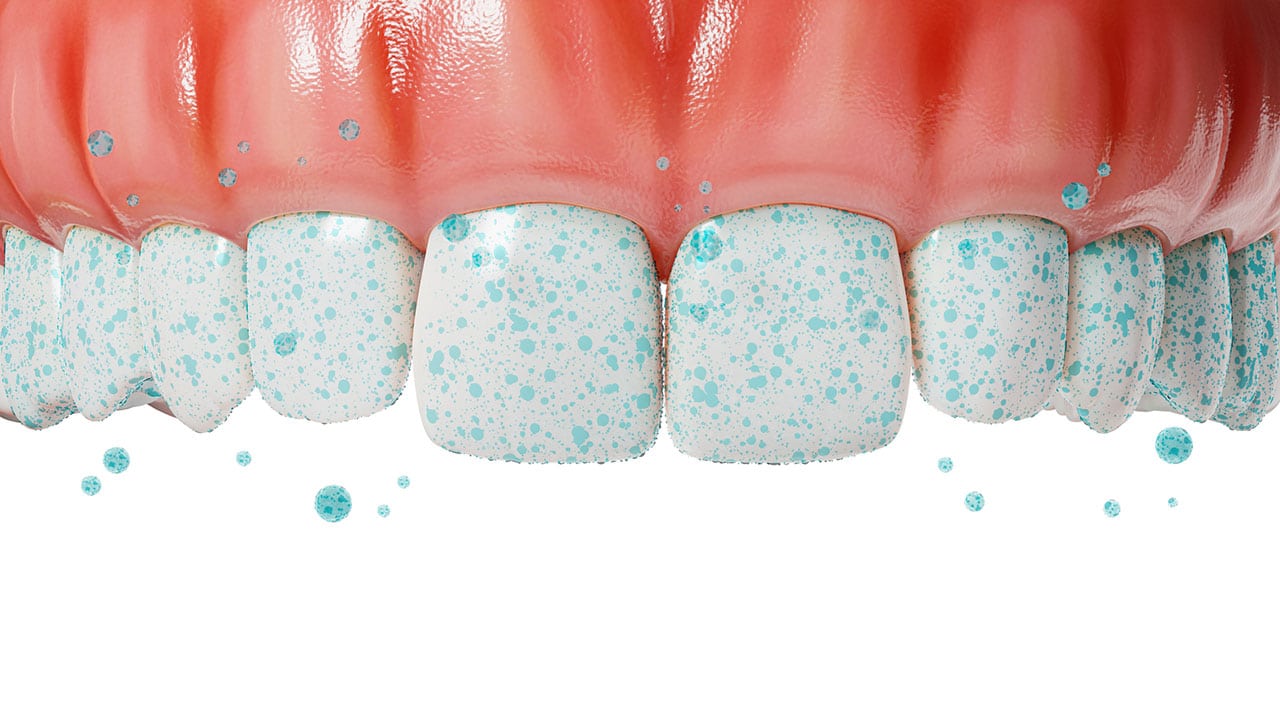
Fluoride interferes with acidogenic bacterial metabolism and reduces acid production, while also enhancing remineralization by attracting calcium and phosphate ions to the enamel surface. This dual action slows demineralization and promotes repair of early lesions.
Which fluoride regimen is MOST appropriate for a patient at high caries risk?
 RealPeopleGroup / E+
High-risk patients require intensive, multimodal therapy. Evidence supports combining high-concentration fluoride (5,000 ppm toothpaste), frequent professional varnish applications, and antibacterial agents, such as chlorhexidine, to control biofilm and maximize remineralization.
Why is saliva essential in the remineralization process?
 fotolinchen / E+
Saliva is critical because it supplies calcium and phosphate for remineralization and buffers oral pH, creating an environment where minerals can redeposit into enamel. Its proteins also help form a protective pellicle, supporting ongoing caries prevention.