
Why Routine Patient Shielding May No Longer Be Necessary
Advances in digital imaging, rectangular collimation, and modern radiation science are challenging decades-old shielding practices.
According to current evidence, which strategy is considered most effective for reducing unnecessary radiation exposure during dental imaging?
 yoh4nn / E+
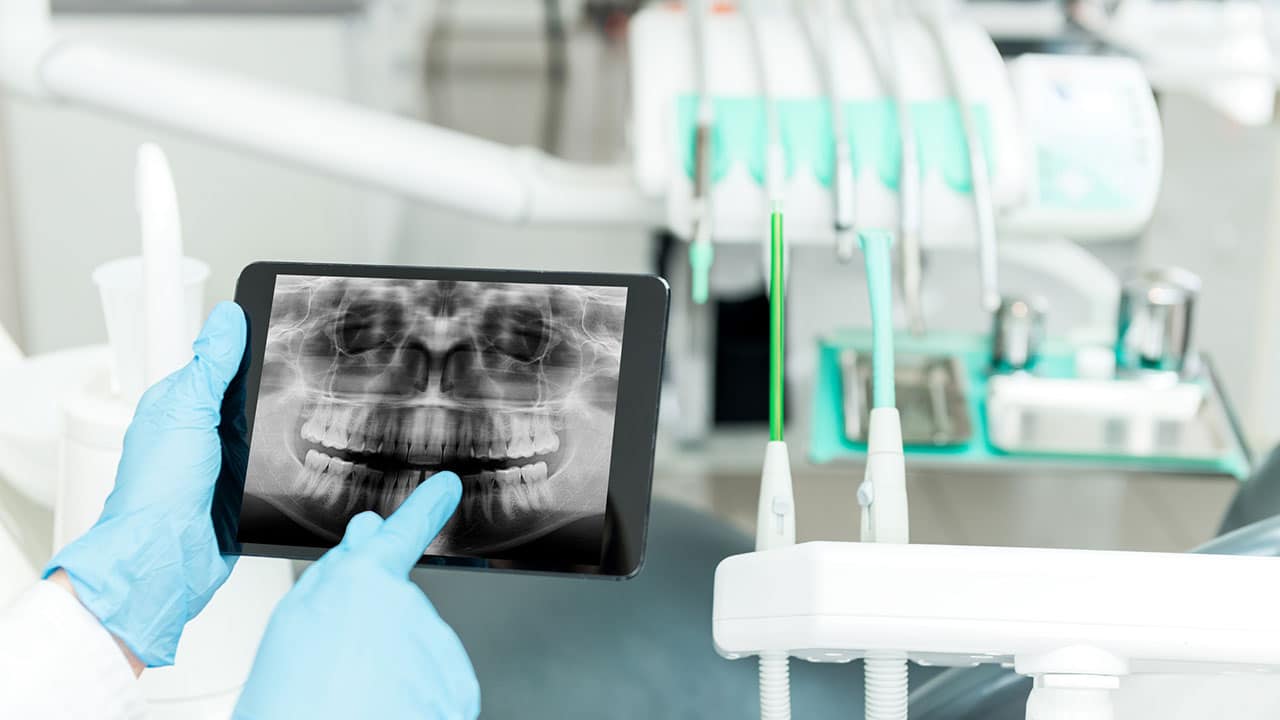
Current guidelines emphasize selecting radiographs based on diagnostic need and using optimized exposure settings, digital receptors, and beam collimation. These approaches reduce radiation dose more effectively than routine patient shielding.
Why have several expert organizations recommended discontinuing routine thyroid, gonadal, and fetal shielding during dental imaging?
 sasirin pamai / iStock / Getty Images Plus
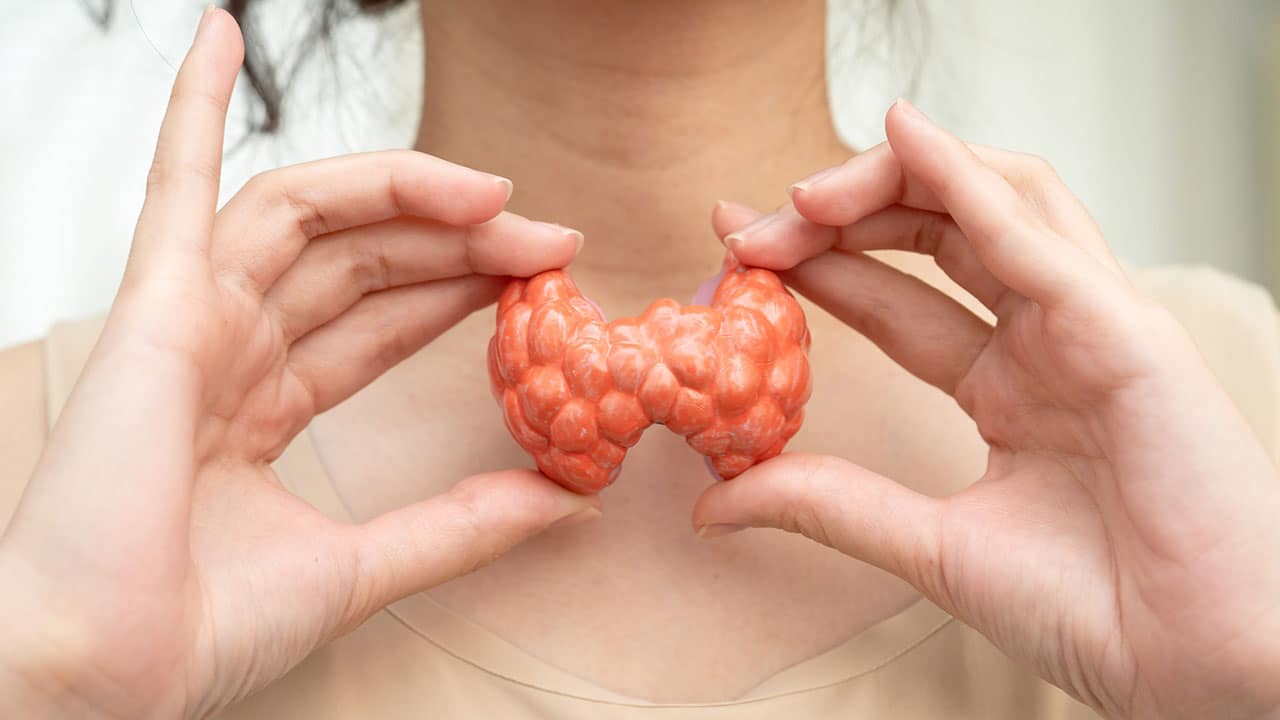
Research indicates that modern dental imaging delivers very low radiation doses and shielding does not protect against internal scatter radiation, which is the primary source of radiation reaching gonadal and fetal tissues during oral and maxillofacial imaging.
Which patient group is most sensitive to radiation-induced thyroid cancer risk?
 SeventyFour / iStock / Getty Images Plus
Age at exposure is one of the strongest modifiers of radiation risk. Children and adolescents are more sensitive to radiation-induced thyroid cancer than adults, although the risk from contemporary dental imaging remains negligible when appropriate imaging protocols are used.