
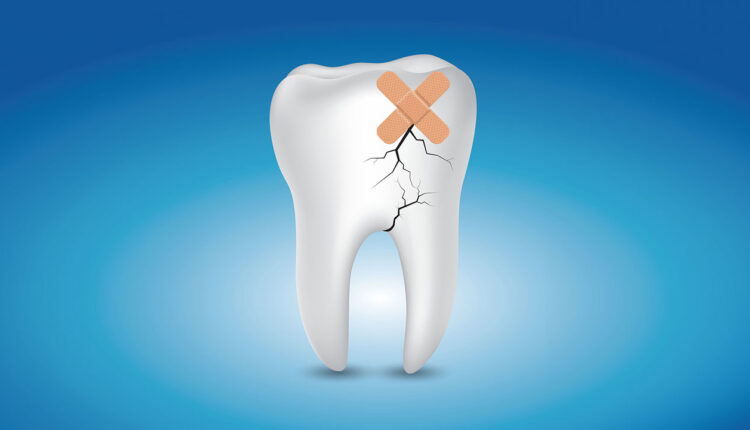
New Study Shows Cracked Doesn’t Mean Lost
Many root canal-treated cracked teeth can achieve favorable long-term outcomes, reinforcing the value of early diagnosis and tooth preservation.
A diagnosis of a cracked tooth often leaves patients concerned that extraction is inevitable. However, new research published in the Journal of Endodontics suggests that many cracked teeth can be successfully treated and preserved, offering reassurance to both patients and clinicians.
Cracked teeth are a common finding in dental practice and may result from years of function, parafunctional habits such as clenching and grinding, chewing hard foods, or traumatic injury. Symptoms can vary widely, ranging from occasional discomfort during chewing to thermal sensitivity and persistent pain, making diagnosis challenging.
The study, “Treatment Outcomes and Prognostic Analysis of Root Canal-Treated Posterior Cracked Teeth” published in the Journal of Endodontics, evaluated outcomes of posterior cracked teeth that received root canal treatment and found favorable results for many treated teeth. The findings support a growing body of evidence that preservation of the natural dentition should remain a primary treatment goal whenever clinically feasible.
The research underscores the importance of early detection and timely referral when signs or symptoms of a cracked tooth are present. Because the prognosis of a cracked tooth depends on factors such as the location, depth, and extent of the fracture, a comprehensive evaluation is critical to determining the most appropriate treatment plan.
Preserving natural teeth offers numerous benefits, including maintaining masticatory efficiency, supporting alveolar bone health, and preventing unwanted tooth movement. Advances in diagnostic technology and endodontic treatment continue to improve clinicians’ ability to manage teeth that may once have been considered hopeless. Click here to read more.