

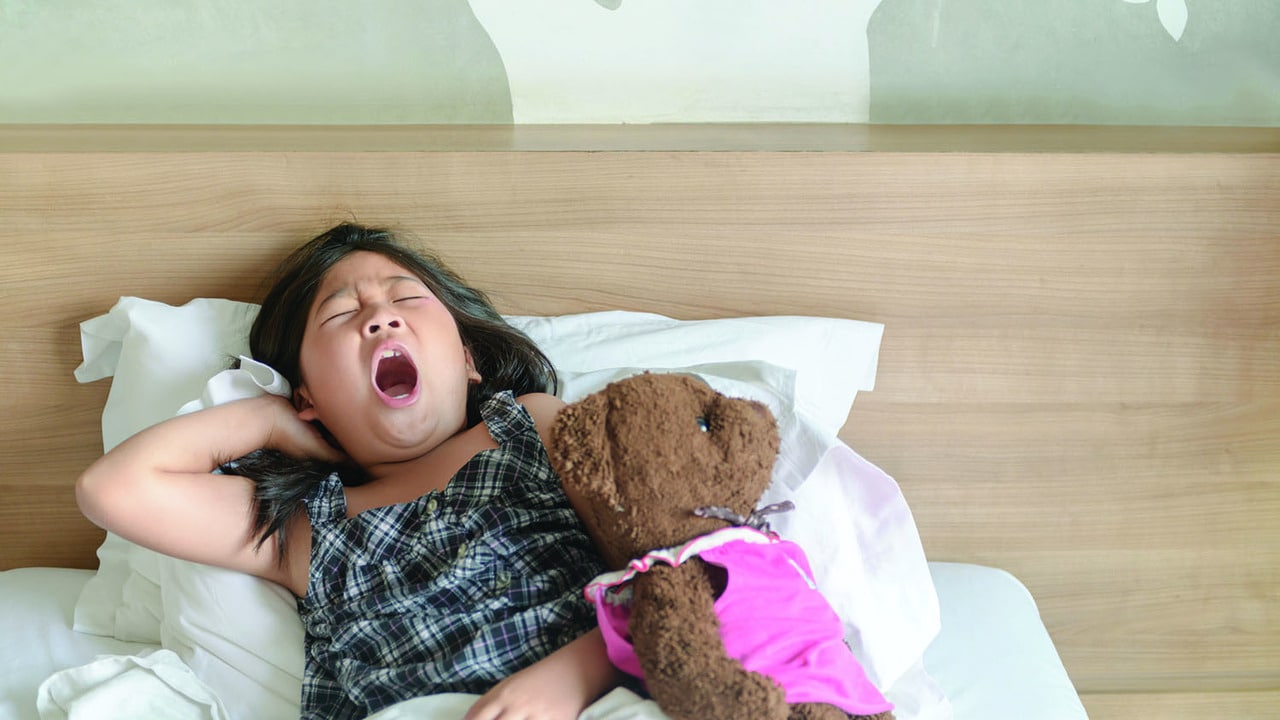
The Dental Clues to Pediatric Obstructive Sleep Apnea
Screening for this breathing disorder in children can help identify at-risk patients and facilitate timely referral for further evaluation.
This course was published in the November/December 2026 issue and expires December 2029. The authors have no commercial conflicts of interest to disclose. This 2 credit hour self-study activity is electronically mediated.
AGD Subject Code: 710
EDUCATIONAL OBJECTIVES
After reading this course, the participant should be able to:
- Identify the systemic and oral health signs and symptoms of pediatric obstructive sleep apnea (POSA).
- Discuss appropriate screening modalities and treatment options for POSA.
- Note the role oral health professionals play in screening, diagnosis, and treatment of POSA.
Obstructive sleep apnea (OSA) is a medically diagnosed sleep-related breathing disorder that exhibits events of partial (hypopnea) or complete (apnea) upper airway collapse while sleeping, which causes an irregular gas exchange. Pediatric obstructive sleep apnea (POSA) is the most common sleep-related breathing disorder among children ages 2 to 18. It affects between 1% and 6% of the population or 7 to 9 million children.1-5 POSA was first documented in 1976 but it was not until 2016 that the American Academy of Pediatrics and the American Academy of Pediatric Dentistry (AAPD) created guidelines for screening, clinical assessment, compliance, treatment, therapy, and referrals.6-9
Multiple oral and systemic diseases are linked to OSA, affecting oral health, cognitive issues, behavioral concerns, cardiovascular health, and metabolic changes. If left undiagnosed or untreated, multiple comorbidities can occur.10-12 Infrequent medical visits, combined with a lack of knowledge regarding abnormal sleep signs, such as snoring, restless sleep, or waking unrefreshed, place children at increased risk of delayed or missed diagnosis of sleep-related breathing disorders.2,11 When POSA is untreated, quality of life is reduced, medical costs increase, and significant adverse effects on physical, cognitive, and behavioral development may occur.
Adenotonsillar hypertrophy and obesity are POSA’s most prevalent risk factors.13 Among children and adolescents ages 2 to 18 with obesity, the prevalence of POSA is approximately 50%.14 Other medical risk factors include high blood pressure, asthma, diabetes, lingual tonsil hypertrophy, allergic rhinitis, and upper and lower respiratory infections.
Dental risks involve craniofacial abnormalities, narrow arch, high-vaulted palate, mouth breathing, bruxism, and malocclusion. Some researchers indicate that mouth breathing provokes enlarged tonsils as an inflammatory response.15 POSA is linked to occlusal wear, xerostomia, temporomandibular joint disorders, and an increase in dental caries, gingivitis, and periodontal diseases (Table 1).4,11
| Medical Risk Factors | Dental Risk Factors |
|---|---|
|
|
Signs and Symptoms
Parents, guardians, daytime caregivers, or school staff may notice symptoms in children. At night, signs may include snoring more than three times per week, bruxism, respiratory distress, sweating, mouth breathing, bedwetting, restless sleep, nightmares, and slowing down or stopping breathing intermittently. During the day, children may display issues such as sleepiness, difficulty maintaining focus, mood changes, morning headaches, and a decline in academic grades.13,16 External behavioral issues include disobedience, aggression, recklessness, and hyperactivity. Emotionally, children may display anxiety, depression, and difficulty regulating emotions. Neurocognitively, children can present with poor executive functioning skills, visual-spatial skills, and working memory (Table 2).10,14
| Daytime | Nighttime | Behavioral | Emotional | Cognitive | Extraoral | Intraoral |
|---|---|---|---|---|---|---|
|
|
|
|
|
|
|
Screening Methods
A thorough health history is the first step in screening for OSA. The health history may provide insights into any risk factors and predisposing symptoms. Children may not have significant health histories, thus additional questions may be needed for screening. Common pediatric screening tools are the pediatric sleep questionnaire (PSQ), OSA-18 quality of life survey, and BEARS (bedtime issues, excessive daytime sleepiness, night awakenings, regularity and duration of sleep, and snoring) sleep screening tools.
The PSQ focuses on snoring, witnessed apnea, mouth breathing, daytime fatigue, bedwetting, morning headaches, and attention issues.17 The OSA-18 quality of life survey evaluates for sleep disturbance, physical suffering, emotional distress, daytime problems, and caregiver concerns. The BEARS is a five-item screening tool.18 Parents/caregivers will likely need to complete the health history and questionnaire(s) on behalf of the child.
In addition to sleep questionnaires, a careful clinical assessment should be performed on every child at each dental visit. Early detection of POSA can significantly improve overall health outcomes,1,3 with infants displaying abnormal craniofacial features as early as 6 months.1,12 Common facial characteristics that can be observed during the extraoral examination include a recessed chin (retrognathic mandibular profile), short upper lip, open lip posture, open bite, dry lips, long, narrow face, and dark circles under the eyes. During the intraoral examination, tongue tie (ankyloglossia), enlarged tonsils, large tongue (macroglossia), high, narrow maxillary palatal arch, severe overjet, crowding, and malocclusion might be observed.12,13
The Friedman tongue position, Mallampati index, and Friedman tonsil index are visual screening tools. A modification of the Mallampati index, the Friedman tongue position is a visual screening tool used to classify hypopharyngeal obstruction by evaluating the tongue’s position at neutral and relative to the tonsils and pillars, uvula, and hard and soft palate. This assessment is typically repeated five times to observe the most consistent position of the tongue. The classifications range from I, visualization of uvula and tonsils, to IV, visualization of only the hard palate.19
The Mallampati index is more commonly used to determine the difficulty of intubating patients by assessing the tongue in a protracted position (out of the mouth) in relation to the palate. The classifications are like those used for the Friedman tongue position, with Class III and IV being considered high risk for OSA.19 The Friedman tonsil index assesses the lymphoid tissue (tonsils) in relation to the base of the tongue. The classifications range from 0, complete absence of lymphoid tissue on the base of the tongue, to 4, where the tonsils meet at the midline or uvula. This assessment is believed to be most predictive in children and less effective in adults.19
Diagnosis
If POSA is suspected or the patient is at high risk, he or she should be referred to a specialist for further evaluation. Traditionally, referrals were given to medical providers, such as otolaryngologists, pulmonologists, or sleep medicine physicians. With the rise of dental sleep medicine dentists, patients can also be referred to dental specialists for the evaluation of OSA.
As part of the evaluation, patients may need to complete a sleep study of which there are two types: polysomnogram (PSG) and a home sleep test. Conducted in a sleep center, the PSG records brain waves, heart rate, breathing effort and rate, oxygen levels, and muscle movements before, during, and after sleep.20 Other tests can measure the time it takes to fall asleep (multiple sleep latency test) and the ability to stay awake (maintenance of wakefulness test).
A home sleep test is performed in the comfort of the patient’s home. It uses a portable monitoring device that measures heart rate, blood oxygen levels, and breathing patterns, and may take place over the course of 3 to 14 days.21 The prescribing doctor will likely select the type of sleep study based on the condition, level of sleep difficulty, and disruptions. The results of the sleep study will help provide a range for the apnea-hypopnea index (AHI), a diagnostic metric used to measure the number of apneas (pauses in breathing) and hypopneas (shallow breathing) per hour of sleep. This index helps quantify the severity of obstructive sleep apnea and will vary from child to adult. For children, mild ranges from one to five events per hour, moderate five to 10 events per hour, and severe more than 10 events per hour.22
Treatment Options
Ideally, POSA should involve an interdisciplinary approach that includes collaboration between medical and dental providers. While pulmonologists often provide the official diagnosis, pediatricians, school nurses, behavioral health providers, and oral health professionals may be the first to recognize indicators of POSA. Otolaryngologists may be involved if the child has recurring ear infections, which can be an initial indicator of sleep-related breathing disorders, or during surgical interventions. Additionally, a dietitian may join the care team for nutritional counseling and weight management. Utilizing a multidisciplinary approach can improve care coordination and support effective prevention, management, and treatment of POSA.5,7
Determining which interprofessional team members to use is based on severity and individual needs. Nonsurgical options may start with anti-inflammatory therapy, including steroids or nasal sprays to reduce nasal congestion; allergy or antihistamine medications, improving sleep quality; and reducing adenotonsillar hypertrophy.22
For children with obesity, a weight loss management plan should be implemented. Additionally, a change in sleep position9 or continuous positive airway pressure (CPAP) therapy may be recommended.2,13 CPAP therapy delivers pressurized air via a machine through a face or nasal mask during sleep. While CPAP therapy is commonly prescribed, patient compliance has been reported as low as 24%,23 leading providers to consider alternative treatment options.
Craniofacial growth may be supported through oral appliance therapy (OAT), such as mandibular advancement devices (MAD), rapid maxillary expansion, rapid palatal expansion, and complete airway repositioning and/or expansion, once known as biomimetic oral appliance therapy. Oral appliance therapy is a customized device that can be worn all night and can protrude the jaw to maintain an open airway (MAD) or can stimulate airway remodeling/growth by expanding the width of the airway, enhance airflow through the nasal cavity, reduce the amount of bruxism, and can take place alongside orthodontic therapy.10,11,13 Caution should be implemented as these devices can lead to permanent alteration and may not be appropriate for all children. Other contraindications to consider with OAT are the individual’s periodontal status, oral hygiene status, risk of dental caries, completion of restorative treatment, and concerns with temporomandibular joint disorders.13
Oral myofunctional therapists (OMT) are certified specialists from various backgrounds, such as speech-language pathologists, occupational therapists, and dental hygienists. Myofunctional therapy aims to rebuild the natural performance of the tongue and orofacial muscles. Atypical orofacial activities can contribute to airway obstruction, habitual mouth breathing, irregular chewing, difficulty with breastfeeding, swallowing disorders, altered soft-tissue development, abnormal oral resting postures, and unusual or maladaptive oral behaviors.24 OMTs aim to correct dysfunctional muscle patterns, encourage appropriate oral posture, and facilitate efficient nasal breathing.2,15 Early intervention, combined with the adjunctive use of myofunctional therapy, may reduce the severity and progression of sleep related breathing disorders in children as they age.
A common surgical treatment for OSA is adenotonsillectomy, as this opens the airway; however, other surgical options may involve the uvula, pharynx, trachea, and surrounding bones.10,13 For advanced cases, hypoglossal nerve stimulation (HGNS) may be recommended. The implantable device is used to treat moderate-to-severe obstructive sleep apnea in patients who cannot tolerate CPAP therapy. The device monitors the patient’s breathing and stimulates the hypoglossal nerve to move the tongue forward, keeping the airway open during sleep.25 HGNS has shown a reduction in the AHI by more than 50% in most patients.26
Clinical Application
Dental hygienists need to proactively follow the recommended guidelines to assess and refer children, thereby allowing for the treatment of POSA. The AAPD encourages screening routinely and referring when necessary. Its policy statement proposes that all oral health professionals screen for any sleep-related breathing disorder, document the size of tonsils and position of the tongue, identify any craniofacial abnormalities, make referrals to proper specialists, and use an interdisciplinary approach for intervention, prevention, and treatment.9 Ideally, intervention should take place as early as childhood and throughout adolescence. The goal is not to wait for adulthood, which limits treatment options.27
Oral health professionals can implement POSA screenings into their practice by choosing screening tools. A combination of questionnaires and clinical assessments is best.26 However, selecting one or two of each kind is best to avoid overwhelming the patient and parent/caregiver. The next step is to establish a referral process with a sleep specialist.
During the assessment, which is similar to an oral cancer screening, the oral health professional reviews the health history and asks any follow-up questions.26 The clinician also needs to inform the patient and parent/caregiver of the POSA screening, emphasizing that it is just a screening, not a diagnosis. Next, the oral health professional can discuss the responses to the questionnaire, ask follow-up questions, perform the clinical assessment, and listen to any concerns the parent/caregiver may have. The oral health professional should then document the responses to the questionnaire and any clinical findings in the patient’s chart. If POSA is suspected, a referral form should be given to the parent/caregiver, including the findings and the next steps. At the next appointment, the clinician should follow up on the outcomes of the referral.26
Conclusion
When POSA goes undiagnosed, oral and systemic health conditions can arise, leading to a decrease in quality of life. Strong continuity of care built through clear communication among interdisciplinary team members and families facilitates early identification, timely referrals, and the implementation of appropriate interventions. A variety of screening tools can be implemented during patient care, including questionnaires and clinical assessments. Most medical and oral health professionals do not receive formal training on OSA. Participating in continuing education courses will increase awareness, which can lead to early diagnosis and more conservative treatment. Dental hygienists can lead the way in OSA screening and improve the health outcomes for all patients.
References
- Heit T, Tablizo BJ, Salud M, et al. Craniofacial sleep medicine: the important role of dental providers in detecting and treating sleep disordered breathing in children. Children (Basel). 2022;9:1057.
- Stauffer J, Okuji D, Lichty G, et al. A review of pediatric obstructive sleep apnea and the role of the dentist. J Dent Sleep Med. 2018;5:111-130.
- Tamasas B, Nelson T, Chen M. Oral health and oral health-related quality of life in children with obstructive sleep apnea. J Clin Sleep Med. 2019;15:445-452.
- Fagundes NCF, Flores-Mir C. Assessment by oral health professionals of patient-reported outcomes in obstructive sleep apnea. J Evid Based Dent Pract. 2024;102045.
- Muhamad AH, Azzaldeen A, Nezar W, Firas K. Role of oral health professional in pediatric obstructive sleep apnea. Asian Pac J Health Sci. 2014;1:528-538.
- Savin S, Mezzofranco L, Gracco A, et al. Management of the pediatric patient with suspected diagnosis of obstructive sleep apnea syndrome. Children (Basel). 2023;10:7.
- Sevecke JR, Meadows TJ. It takes a village: multidisciplinary approach to screening and prevention of pediatric sleep issues. Med Sci. 2018;6:77-21.
- Okuji D, Healy E, Wu Y. Opportunity for interprofessional collaboration: screening for pediatric sleep-disordered breathing by dentists. Pediatr Dent. 2020;42:436-440.
- Marcus CL, Brooks LJ, Ward S, et al. Diagnosis and management of childhood obstructive sleep apnea syndrome. Pediatrics. 2012;130:e714-755.
- Nespoli L, Caprioglio A, Brunetti L, Nosetti L. Obstructive sleep apnea syndrome in childhood. Early Hum Dev. 2013;89:S33-S37.
- Maniaci A, Lavalle S, Anzalone R, et al. Oral health implications of obstructive sleep apnea: a literature review. Biomedicines. 2024;12:1382.
- Schroeder K, Gurenlian JR. Recognizing poor sleep quality factors during oral health evaluations. Clin Med Res. 2019;17:20-28.
- Lavigne GJ, Herrero Babiloni A, et al. Critical issues in dental and medical management of obstructive sleep apnea. J Dent Res. 2020;99:26-35.
- Blechner M, Williamson AA. Consequences of obstructive sleep apnea in children. Curr Probl Pediatr Adolesc Health Care. 2016;46:19-26.
- Huang YS, Guilleminault C. Pediatric obstructive sleep apnea and the critical role of oral-facial growth: evidence. Front Neurol. 2013;3:184.
- Castilho RL, Matsumoto LH, Castilho GL, Weber SAT. The interface between dentistry and respiratory sleep disorders in children. Sleep Science. 2020;13:220-223.
- Chervin RD, Hedger K, Dillon JE, Pituch KJ. Pediatric sleep questionnaire (PSQ). Available at eprovide.mapi-trust.org/instruments/pediatric-sleep-questionnaire#review_copy. Accessed October 2, 2026.
- Owens JA, Dalzell V. Use of the “BEARS” sleep screening tool in a pediatric residents’ community clinic: a pilot study. Sleep Medicine. 2005;6:63-69.
- Barcelo X, Mirapeix RM, Buges J, et al. Oropharyngeal examination to predict sleep apnea severity. Arch Otolaryngol Head Neck Surg. 2011;137:990-996.
- National Heart, Lung, and Blood Institute. Sleep Studies. Available at nhlbi.nih.gov/health/sleep-studies. Accessed October 2, 2026.
- Fort Worth ENT & Sinus. Polysomnography PSG – Sleep Study. Available at fortworthent.net/ear-nose-throat/snoring-obstructive-sleep-apnea-osa/sleep-medicine-snoring-or-sleep-apnea/polysomnography-psg-sleep-study. Accessed October 2, 2026.
- Smith DF, Sarber KM, Spiceland CP, et al. Effects of medical therapy on mild obstructive sleep apnea in adult patients. J Clin Sleep Med. 2019;15:979-983.
- Lin HS, Zuliani G, Amjad EH, et al. Treatment compliance in patients lost to follow-up after polysomnography. Otolaryngol. Head Neck Surg. 2007;136:236-240.
- Tamasas B, Godfrey G, Nelson T, Chen M. Oral health status of children with high risk of sleep-disordered breathing. J Dent Sleep Med. 2018;5:31-38.
- Olson MD, Junna MR. Hypoglossal nerve stimulation therapy for the treatment of obstructive sleep apnea. Neurotherapeutics. 2021;18:91-99.
- Kim M, Xu L, Shih E, et al. Hypoglossal nerve stimulator for obstructive sleep apnea in children with down syndrome younger than 13. Int J Pediatr Otorhinolaryngol. 2025;196:112497.
- Moin Anwer HM, Albagieh HJ, Kalladka M, et al. The role of the dentist in the diagnosis and management of pediatric obstructive sleep apnea. Saudi Dent J. 2021;33:424-433.
From Dimensions of Dental Hygiene. November/December 2026; 24(6):36-39