

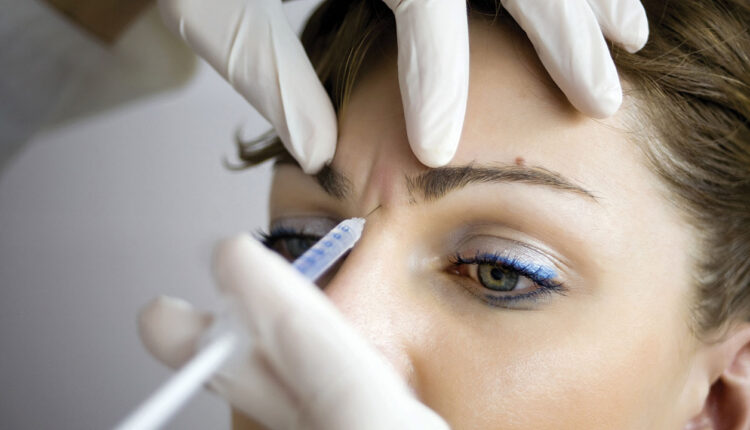
Expand Dental Hygiene Practice With Neuromodulators
From relieving bruxism to enhancing smiles and protecting restorations, neuromodulators are opening a new frontier in patient care.
This course was published in the July/August 2026 issue and expires August 2029. The author has no commercial conflicts of interest to disclose. This 2 credit hour self-study activity is electronically mediated.
AGD Subject Code: 780
EDUCATIONAL OBJECTIVES
After reading this course, the participant should be able to:
- Identify the mechanism of action of neuromodulators.
- Discuss the role of neuromodulators in facial esthetics.
- Explain the regulatory environment for oral health professionals interested in incorporating neuromodulators into their practice.
The incorporation of neuromodulators into dental hygiene practice has gained traction in recent years, reflecting a broader trend toward integrative approaches in dental care.1 No longer viewed solely through a cosmetic lens, these therapeutic agents have emerged as valuable adjuncts for managing a range of head and neck conditions commonly encountered in dental settings. From chronic orofacial pain and temporomandibular disorders, management of parafunctional habits, cosmetic enhancement and facial balancing, muscle hyperactivity, and selective esthetic enhancement, neuromodulators offer dental hygienists an evidence-based means of addressing both function and form as a minimally invasive procedure. As therapeutic modalities, injectable neuromodulators offer oral health professionals innovative and adjunctive treatments to address various head and neck disorders.
Mechanism of Action
Neuromodulators, or botulinum neurotoxins (BoNTs), are protein neurotoxins derived from Clostridium botulinum that cause muscle paralysis.2 Though there are many types of neuromodulators, botulinum toxin type A (BoNT-A) is widely used in cosmetic therapies and pain management.1 Recognized for its safety and efficacy due to its limited diffusion from the injection site, BoNT-A’s effects on the targeted musculature are also reversible over time.2 This article will focus on BoNT-A and will refer to these injectable neurotoxins as neuromodulators.
When injected into muscular tissue, neuromodulators function by binding to the presynaptic nerve terminals, inhibiting the release of acetylcholine.1 The inhibition of acetylcholine release impacts muscular contraction causing localized, reversible muscle paralysis.2 Through inhibition of neuromuscular transmission, neuromodulators decrease both muscle contraction force and contraction frequency, thus reducing repetitive compression of the skin. This effect prevents wrinkle formation and can decrease the severity of existing wrinkles. Beyond esthetic applications and wrinkle reduction, neuromodulators also offer therapeutic uses, including management of chronic pain and parafunctional disorders.3
Pain Management
For patients whose chronic orofacial pain is driven by parafunctional habits, such as bruxism and clenching, injectable neuromodulator therapy offers a promising therapeutic option. Neuromodulator injection therapy can significantly reduce pain associated with excessive muscular contraction. By inhibiting acetylcholine release and both the frequency and force of muscle contractions, oral health professionals can reduce muscular tension and alleviate pain and inflammation induced by repetitive muscle activity.4,5
BoNT-A has demonstrated effectiveness in the management of orofacial pain, including pain associated with temporomandibular disorders (TMD) and bruxism. For patients with TMD and parafunctional habits, neuromodulator injection therapy reduces excessive masticatory muscle activity, which, in turn, decreases pain and functional impairment. This approach offers a minimally invasive option for patients who do not achieve adequate symptom relief with conventional interventions such as occlusal splints, pharmacologic therapies, or conservative physical modalities.2-5
Preservation of the Teeth, Joints, and Restorative Work
In addition to symptomatic relief, injectable neuromodulator therapy can prevent tissue damage caused by chronic excessive muscle forces such as dental attrition, force-related restoration damage, and progressive loss of occlusal vertical dimension. Used alongside standard protective measures, such as occlusal guards, neuromodulators address the source of parafunctional activity, while splints redistribute force on the dentition. This complementary approach supports combined therapy for patients at high risk of tooth and joint damage.3-6
Bruxism affects a substantial portion of adults; a recent meta-analysis estimated the prevalence of sleep bruxism at ~21% and awake bruxism at ~23%, with a combined prevalence of 22%.6 Neuromodulators provide a therapy for both sleep and awake bruxism. Many randomized controlled trials and systematic reviews demonstrate reductions in nocturnal masticatory events, bite force, and patient-reported muscle pain.3-6 Chronic parafunctional activity transmits repetitive, high-magnitude forces to teeth, restorations, and temporomandibular joints, accelerating enamel and dentin wear, increasing fracture risk, and potentially contributing to implant or prosthetic complications and failures of restorations.7,8
Treatments that reduce parafunctional forces protect restorations, crowns, veneers, and prolong prosthesis survival. When combined with occlusal appliances, careful material selection, and maintenance protocols, neuromodulator injection therapy supports comprehensive preservation of dentition, vertical dimension, and restorative outcomes.6,7
Esthetic Enhancements
In addition to therapeutic uses, neuromodulator injections play a significant role in esthetics beyond wrinkle correction around the eyes and on the forehead. Targeted neuromodulator injections provide a low-risk method for addressing perioral aging and muscular tension.
These techniques improve the long-term stability of dental work while delivering polished, natural results, making them ideal adjuncts to restorative and cosmetic treatment plans. For example, dental hygienists can utilize neuromodulators in the perioral area to address a gummy smile or a smile that displays more gingiva than desired as opposed to the upper lip covering the maxillary gingiva when smiling.9
Because neuromodulators reduce muscle activity by limiting contraction force, if a muscle pulls upward, downward, or backward, neuromodulators help prevent that movement. By selectively administering neuromodulators in the levator labii superioris muscle, this can relax the elevation of the upper lip keeping the maxillary gingiva covered and thus enhance the esthetics of the patient’s smile.9
Vertical perioral lines, often referred to as smoker’s lines, can also be addressed with neuromodulator injections. These vertical lines in the skin result from repeated contraction of the orbicularis oris muscle.10 Administering small doses of neuromodulators along the vermillion border can relax the orbicularis oris muscle fibers, reduce contraction strength, and smooth the upper and lower lip without significantly affecting oral function.10 This can complement the smile and any anterior restorative treatments creating a softer, more hydrated appearance.
If a patient has concerns about frown lines, the contraction force of the depressor anguli oris (DAO) that pulls downward on the corners of the mouth may be addressed. This downward turn contributes to marionette lines and a frowning appearance. Neuromodulators injected into the DAO can subtly lift the corners of the mouth by decreasing the downward pull by the DAO and additionally reduce anterior jawline tension.11
Chronic clenching can create jawline tension that leads to pain and discomfort. Neuromodulators administered to targeted muscles can help relieve this tension. In an esthetic practice, the technique called the Nefertiti lift is used to enhance jawline contour by addressing tension in the DAO and platysmal muscles along the mandibular border.11,12 When combined with masseter injections, this approach can reduce pain and tension, decrease downward pull, improve jawline definition, and support the longevity of dental prosthetics.13 These adjunct therapies not only complement patient treatments but protect restorations by reducing excessive muscle force or overactive muscle movement.
Adverse Reactions and Medical Emergencies
While permanent or severe complications are uncommon, neuromodulators carry potential risks. Once injected, there is no immediate treatment to reverse the effects. The effects must wear off gradually, which may take several months to fully dissipate.14 Comprehensive knowledge of head and neck anatomy, injection techniques, pharmacology, and emergency protocols is critical for minimizing adverse events and ensuring patient safety. Careful consideration of injection site, needle depth, dosage, product selection, aspiration, and diffusion radius are essential to ensure precise placement and minimize the risk of unintended muscle involvement or adverse effects.
Eyelid ptosis is an adverse reaction associated with unintended muscle involvement.15 This can happen when a neuromodulator is injected above the brow line, likely with the intention of reducing wrinkles or tension on the forehead, but the neuromodulator diffuses to unintended muscles. If too much neuromodulator is injected or it is injected at too fast of a rate, the neuromodulator can spread to the levator palpebrae superioris via the supraorbital foramen, resulting in temporary drooping of the eyelid. Unfortunately, the effect typically peaks around week 2 and resolves over 8 to 12 weeks.14 This reinforces the importance of skilled and cautious injectors and emphasizes that providers who inject neuromodulators require both extensive facial anatomy expertise and proper training in technique that focuses on appropriate dosing and deposition rates.
For patients seeking treatment for pain due to bruxism and jawline tension, improper masseter injections can affect the risorius, causing an uneven smile.14,15 If misplaced, the risorius muscle may be affected, inhibiting its backward pull and limiting smile retraction on one or both sides. When unilateral, it can create an uneven, asymmetrical smile that may resemble a stroke, which is both esthetically undesirable and potentially distressing for the patient. Drooping of the lower lip can be caused by improper DAO injections that spread to the depressor labii inferioris. This does not only lead to a lower-lip droop but can also impact speech.15
When treating smoker’s lines, injecting too much neurotoxin into the orbicularis oris can also impair speech as well as the ability to eat and drink by excessively inhibiting the muscle movement. Though any adverse reaction is undesirable, a common adverse reaction at the injection site is bruising (ecchymosis).15 Bruising with any injection is anticipated and can vary in severity. Though not completely avoidable, the likelihood and severity can be minimized with thorough anatomical knowledge, careful injection techniques, vein visualization technology, and proper post-procedure care.15,16
State Regulations
The legal landscape for neuromodulator administration varies by state and is changing rapidly. Arizona, Oklahoma, and Kansas permit dental hygienists to administer neuromodulators under specific conditions, requiring completion of qualifying training programs and certification.17-19
Colorado enacted legislation in 2025 authorizing dental hygienists to administer neuromodulators under direct supervision of a dentist. However, this scope addition is still on hold until the new rules have been formally adopted by the Colorado Dental Board.20
In dentistry, neuromodulator injection therapies have expanded significantly with growing evidence supporting their efficacy for managing TMD, bruxism, orofacial pain, and perioral esthetic concerns. Whether directly administering treatment or coordinating care in collaborative models, dental hygienists’ expertise in patient assessment, education, documentation, and follow-up ensures continuity, safety, and high-quality outcomes. As more states recognize the clinical expertise and precision of dental hygienists, the scope of practice continues to expand, opening new opportunities for professional growth. With ongoing education and advocacy, dental hygienists are positioned to play an increasingly integral role in patient esthetic and therapeutic care.
Conclusion
Dental hygienists possess specialized foundational skills to safely incorporate neuromodulator therapy into patient care. In addition to their extensive education, dental hygienists’ daily responsibilities cultivate critical thinking, technique precision, and emergency preparedness, all of which directly support the safe administration of neuromodulators. However, additional education and hands-on training specific to injectable neuromodulators use and technique are essential before incorporating these therapies into practice.
The thoughtful integration of neuromodulators into dental hygiene practice enhances patient care and professional satisfaction, as well as places dental hygienists as integral contributors to modern, evidence-based oral healthcare. As dentistry continues to evolve beyond the teeth alone, the integration of neuromodulators invites oral health professionals to reexamine their role in comprehensive facial care where anatomy, neuromuscular control, and patient quality of life intersect.
References
- Maci M, Fanelli C, Lorusso M, et al. Botulinum toxin type A and hyaluronic acid dermal fillers in dentistry: a systematic review of clinical application and indications. J Clin Med Res. 2024;16:273-283.
- Pirazzini M, Rossetto O, Eleopra R, Montecucco C. Botulinum neurotoxins: biology, pharmacology, and toxicology. Pharmacol Rev. 2017;69:200-235.
- Agren M, Sahin C, Pettersson M. The effect of botulinum toxin injections on bruxism: a systematic review. J Oral Rehabil. 2020;47:395-402.
- Machado D, Martimbianco ALC, Bussadori SK, Pacheco RL, Riera R, Santos EM. Botulinum toxin type A for painful temporomandibular disorders: systematic review and meta-analysis. J Pain. 2020;21:281-293.
- Serrera-Figallo MA, Ruiz-de-León-Hernández G, Torres-Lagares D, et al. Use of botulinum toxin in orofacial clinical practice. Toxins (Basel). 2020;12:112.
- Shim YJ, Lee HJ, Park KJ, et al. Botulinum toxin therapy for managing sleep bruxism: A randomized and placebo-controlled trial. Toxins (Basel). 2020;12:168.
- Buzatu R, Luca MM, Castiglione L, Sinescu C. Efficacy and safety of botulinum toxin in the management of temporomandibular symptoms associated with sleep bruxism: A systematic review. Dent J (Basel). 2024;12:156.
- Coelho MS, de Oliveira JMD, Polmann H, et al. Botulinum toxin for the management of bruxism: an overview of reviews protocol. BMJ Open. 2024;14:e082861.
- Zengiski ACS, Basso IB, Cavalcante-Leão BL, et al. Effect and longevity of botulinum toxin in the treatment of gummy smile: a meta-analysis and meta-regression. Clin Oral Investig. 2022;26:109-117.
- Hong SO. Cosmetic treatment using botulinum toxin in the oral and maxillofacial area: a narrative review of esthetic techniques. Toxins (Basel). 2023;15:82.
- Moradi A, Shirazi A. A retrospective and anatomical study describing the injection of botulinum neurotoxins in the depressor anguli oris. Plast Reconstr Surg. 2022;149:850-857.
- Choi YJ, We YJ, Lee HJ, et al. Three-dimensional evaluation of the depressor anguli oris and depressor labii inferioris for botulinum toxin injections. Aesthet Surg J. 2021;41:NP456-
- Li K, Tan K, Yacovelli A, Bi WG. Effect of botulinum toxin type A on muscular temporomandibular disorder: a systematic review and meta-analysis of randomized controlled trials. J Oral Rehabil. 2024;51:886-897.
- Yeh M, Peng JH, Peng HLP. Literature review of adverse events with botulinum toxin in the masseter. J Cosmet Dermatol. 2018;17:675-687.
- Sethi N, Singh S, DeBoulle K, Rahman E. A review of complications due to the use of botulinum toxin A for cosmetic indications. Aesthetic Plast Surg. 2021;45:1210-1220.
- Popescu MN, Beiu C, Iliescu CA, et al. Ultrasound-guided botulinum toxin-A injections into the masseter muscle for both medical and aesthetic purposes. Toxins (Basel). 2024;16:413.
- Mayes K. Dental hygienists’ authority to administer Botox or perform other procedures not specifically listed in A.R.S. § 32-1281(B). Available at azag.gov/opinions/i23-003-r23-001. Accessed June 10, 2026.
- Oklahoma State Board of Dentistry. Advanced Procedures for Dental Hygienists: Neuromodulator Administration. Available at law.cornell.edu/regulations/oklahoma/OAC-195-15-1-6.1. Accessed June 10, 2026.
- Kansas Dental Board. Meeting Minutes: Approval of Dental Hygienist Neuromodulator Administration Under Direct Supervision. Available at dental.ks.gov. Accessed June 10, 2026.
- Colorado Senate Bill 25-194. Neuromodulator Administration by Dental Hygienists Authorized Pending Colorado Dental Board Rulemaking. Available at https://dpo.colorado.gov/DentalSunset. Accessed June 10, 2026.
From Dimensions of Dental Hygiene. July/August 2026; 24(4):28-31