
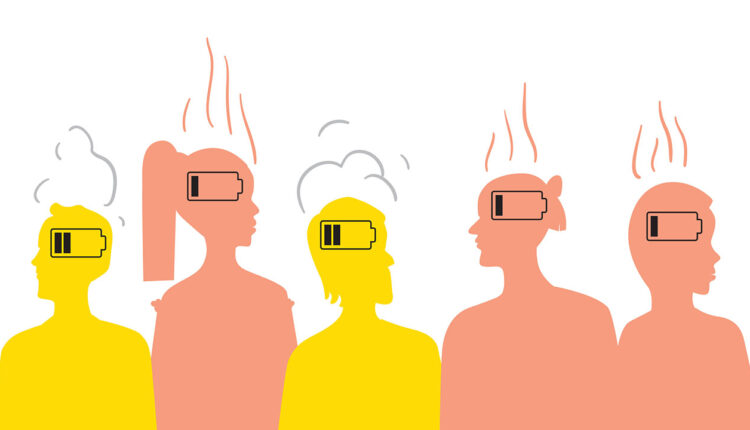
Turning Anxiety Into an Asset in the Dental Setting
With rising burnout among oral health professionals, a new perspective on anxiety may offer a path toward resilience, balance, and long-term wellbeing.
Dentistry has long been recognized as a high-stress profession, but the scope of that stress is broader and more complex than many realize. Research consistently shows that dentists experience higher rates of burnout, anxiety, and depression compared to many other professions.1 Alarmingly, studies in the United States have also identified elevated suicide mortality rates among dentists, with a steady increase over recent decades.2
What’s perhaps even more concerning is that this trend persists despite decades of research, awareness campaigns, and well-established coping strategies.3 Traditional approaches to managing stress in dentistry, while valuable, have not fully addressed the root of the problem.4 And increasingly, evidence suggests that dental hygienists and other members of the dental team are experiencing similar levels of psychological distress.
A 2025 study expanded the conversation beyond dentists alone, highlighting that the entire dental team is vulnerable to burnout.5 This shift is significant. It underscores the need for a more inclusive, systemic approach to mental health; one that recognizes shared workplace pressures, interpersonal dynamics, and the emotional demands of patient care.
A Different Way to Understand Anxiety
One emerging perspective challenges the way oral health professionals think about anxiety itself. Rather than viewing anxiety solely as a negative condition to suppress or eliminate, this approach considers it a natural and potentially useful function; an internal signal designed to guide perception, decision-making, and action.
At its most basic level, anxiety exists to protect us. It helps identify potential threats, prepares the body for action, and sharpens awareness. But in modern professional environments, especially high-pressure ones like dentistry, this system can become overwhelmed or misinterpreted.
Anxiety operates as part of a two-stage process. The first stage is instinctive and physical—often described as a “gut feeling.” This immediate response is rapid and automatic. The second stage involves the mind, which interprets, filters, and decides how to respond to those initial signals. Ideally, these two systems work in harmony.
Problems arise when there is a disconnect; when the mind repeatedly overrides or ignores the signals from the body. Over time, this mismatch can lead to chronic stress, emotional exhaustion, and the sense of being overwhelmed that many dental professionals report.
From Fear to Function
A key insight in this framework is that anxiety itself is not inherently harmful; it is the interpretation of anxiety that determines its impact. When anxiety is viewed through a lens of fear, it can feel paralyzing. It becomes something to avoid, suppress, or escape. But when the same physiological response is reframed through a lens of opportunity or ambition, it can become energizing and motivating.
For oral health professionals, this shift in perspective can be powerful. The same heightened awareness that contributes to stress can also enhance clinical performance, improve decision-making, and support patient care, if it is understood and managed effectively.
The Role of Conditioning
Another important factor is how individuals learn to process anxiety over time. Early experiences, whether supportive or adverse, shape how people respond to stress later in life. Overprotective environments, neglect, or chronic pressure can all contribute to maladaptive patterns.6
In the context of dentistry, this conditioning may be reinforced by the demands of education and clinical training. High expectations, perfectionism, and fear of error can create a foundation where anxiety is consistently interpreted as a threat rather than a tool.
This is particularly relevant for students and early-career professionals. Studies have shown that a significant percentage of dental and dental hygiene students already meet criteria for burnout before entering the workforce.7 Without intervention, these patterns can persist and intensify throughout their careers.
Why Traditional Approaches Fall Short
Conventional mental health strategies often focus on reducing or eliminating symptoms: controlling negative thoughts, minimizing stress, and promoting relaxation. While these approaches can be helpful, they may not fully address the underlying dynamics of anxiety.
Cognitive behavioral therapy (CBT), for example, emphasizes the relationship between thoughts, feelings, and behaviors.8 It provides tools for reframing negative thinking and developing healthier responses. However, even with these tools, many professionals continue to struggle.
One reason is that anxiety dysfunction can make it difficult to see a way forward. When someone is deeply entrenched in stress or burnout, solutions can feel out of reach. This creates a cycle where the very condition that needs to be addressed also limits the ability to address it.
Practical Steps Toward Change
A more effective approach may involve redefining the relationship with anxiety rather than attempting to eliminate it. This begins with a series of mindset shifts:
- Recognize that anxiety serves a natural purpose and is not inherently harmful.
- Accept that feelings of uncertainty or discomfort are a normal part of growth and professional development.
- Distinguish between stress caused by external factors (such as workplace conditions) and internal patterns that can be adjusted.
- Acknowledge that some level of emotional fluctuation is unavoidable and even necessary for resilience.
- Avoid the tendency to withdraw or isolate, as engagement with others is essential for both personal and professional wellbeing.
- Practice self-compassion, particularly during setbacks or periods of difficulty.
- Understand that mental health support, whether therapy or medication, often involves trial and adjustment rather than immediate solutions.
These shifts are not quick fixes. They require consistent effort and reinforcement over time. But they offer a pathway toward greater balance and adaptability.
Implications for the Dental Team
For dental practices, these insights have practical implications. Addressing burnout is not just an individual responsibility; it is a collective one. Creating a supportive work environment, encouraging open communication, and recognizing the emotional demands of the profession are all critical steps.
Leaders within dental teams can play a key role by fostering a culture where mental health is prioritized alongside clinical excellence. This includes normalizing conversations about stress, providing access to resources, and promoting realistic expectations.
Importantly, these efforts should extend to all members of the team. Dental hygienists, dental assistants, and administrative staff each face unique pressures, and their wellbeing is equally essential to the overall function of the practice.
Finding Balance in a Demanding Profession
Ultimately, the goal is not to eliminate stress entirely, but rather to develop the capacity to navigate it effectively. This requires a balanced perspective, one that acknowledges both the challenges and the opportunities inherent in dental practice.
Avoiding negative emotions altogether can lead to what some describe as “emotional fragility,” where even minor stressors become overwhelming. In contrast, embracing a full range of experiences can build resilience and adaptability.
The Role of Hope
While systemic changes in the profession are important, they take time. In the meantime, individual coping strategies remain essential. Hope, in this context, is not about expecting the external environment to change overnight. It is about maintaining internal stability and preventing emotional collapse in the face of ongoing challenges.
For dentists and dental hygienists alike, this perspective offers a practical and empowering approach. By reframing anxiety, understanding its function, and developing healthier responses, it is possible to move beyond burnout and toward a more sustainable, fulfilling career.
References
- Kulkarni S, Dagli N, Duraiswamy P, Desai H, Vyas H, Baroudi K. Stress and professional burnout among newly graduated dentists. J Int Soc Prev Community Dent. 2016;6:535–541.
- Tomasi SE, Lipman R, Bloom F, Nett RJ, Cox-Ganser JM, Fechter-Leggett ED. Suicide deaths among dentists in the United States. J Am Dent Assoc. 2005;156:1024-1033.
- Meyerson J, Gelkopf M, Eli I, Uziel N. Stress coping strategies, burnout, secondary traumatic stress, and compassion satisfaction amongst Israeli dentists: a cross-sectional study. Int Dent J. 2021;72:476–483.
- Plessas A, Paisi M, Bryce M, et al Mental health and wellbeing interventions in the dental sector: a systematic review. Evid Based Dent. 2022;7:1–8.
- Durkin J, Mumford C. Burnout, stress, and wellbeing: the rising mental health crisis in UK dentistry in dental care professionals. A quantitative Perspective. Int J Dent Hyg. Feb 2025.
- Lieb R, Wittchen HU, Höfler M, Fuetsch M, Stein MB, Merikangas KR. Parental psychopathy, parenting styles, and the risk of social phobia in offspring. A prospective-longitudinal community study. Arch Gen Psychiatry. 2000;57:859-866.
- Deeb RG, Braun S, Carrico C, Kinser P, Laskin D, Golob Deeb J. Burnout, depression and suicidal ideation in dental and dental hygiene students. Eur J Dent Educ. 2018;22:e70-e74
- Glenn D, Golinelli D, Rose RD, et al. Who gets the most out of cognitive behavioural therapy for anxiety disorders? The role of treatment dose and patient engagement. J Consult Clin Psychol. 2013;81:639-649