
The Truth About Mouthrinses and Biofilm Control
From chlorhexidine to essential oils, understanding how mouthrinses target biofilm can help you personalize care and improve patient outcomes.
Which of the following best describes the role of quorum sensing in oral biofilm formation?
 Dr_Microbe / iStock / Getty Images Plus
Quorum sensing is a bacterial communication system that allows microorganisms to coordinate behavior based on population density. This process is essential for the maturation and organization of biofilm colonies.
Which mouthrinse ingredient is considered the gold standard for reducing biofilm but requires careful monitoring due to side effects?
 Jae Young Ju / iStock / Getty Images Plus
Chlorhexidine is a broad-spectrum antimicrobial agent with strong evidence supporting its effectiveness in reducing biofilm and gingivitis. However, it is associated with side effects such as staining, altered taste, and calculus formation, and is typically used short-term.
Why might mouthrinses have limited effectiveness in patients with advanced periodontal disease?
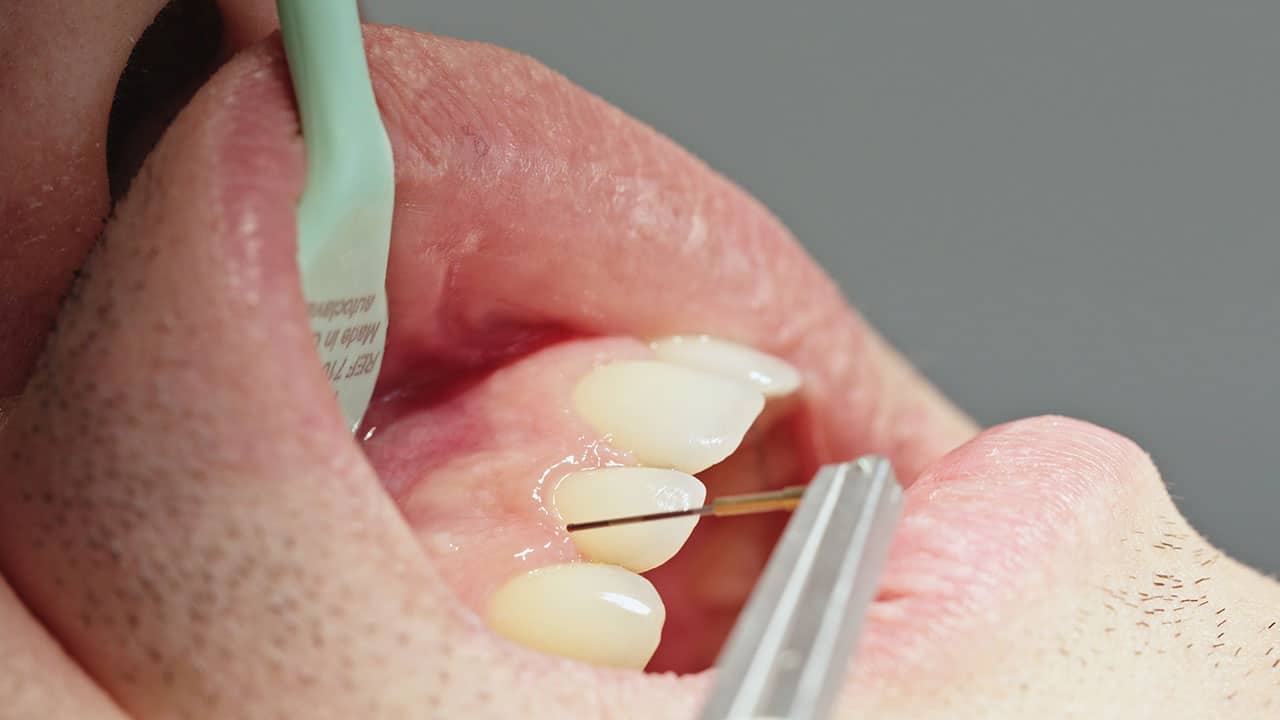 Ivan Zastavetskyi / iStock / Getty Images Plus
Mouthrinses are beneficial adjuncts for supragingival biofilm control but have limited penetration into deep periodontal pockets, making them less effective for advanced periodontal disease without additional interventions.