
School-Entry Data Exposes Gaps in Early Oral Care
A new study shows most children still arrive at school age without early dental visits, consistent caregiver support, or exposure to key preventive tools, highlighting a critical window dental hygienists can help address.
Early oral health habits don’t just influence childhood, they set the trajectory for lifelong outcomes. Yet new data from a cross-sectional study of 307 6-year-olds in Živinice, Bosnia, and Herzegovina, published in Cureus, suggest that many children are still missing the preventive window that matters most.1
Despite longstanding recommendations for a dental visit by age 1, only a small fraction of children in this cohort saw an oral health professional within that timeframe. Instead, first visits were commonly delayed until all primary teeth had erupted, or worse, triggered by pain. More than 25% of children first presented due to toothache, reinforcing a persistent pattern: care remains reactive, not preventive.
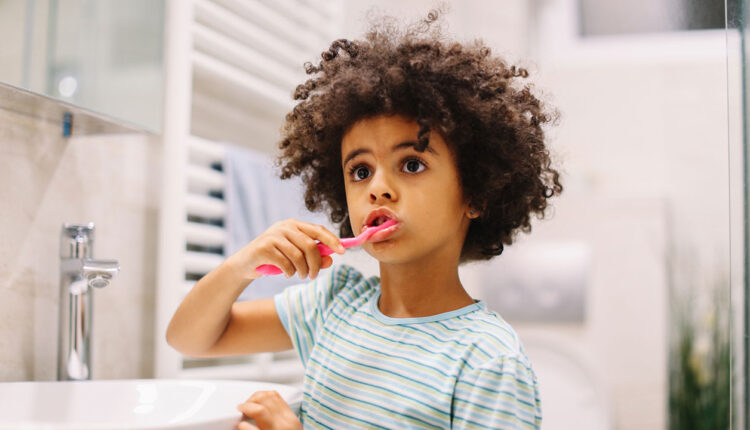
Toothbrushing habits showed mixed progress. While all children reported using a toothbrush, timing and technique remain concerns. Many began brushing later than recommended, and although most received some caregiver support, only about 42% had consistent supervision. Given that 6-year-olds typically lack the dexterity for effective plaque removal, inconsistent oversight likely compromises daily biofilm control.
Fluoride use presents another blind spot. While toothpaste use was universal, caregiver awareness of fluoride content was limited. Without understanding fluoride’s role in remineralization and caries prevention, parents may unknowingly choose suboptimal products or use incorrect amounts.
Adjunctive tools tell a similar story. Interdental cleaning aids, such as interdental brushes, were used by fewer than 6% of children. Even in tight contacts where caries risk is elevated, these tools remain largely absent from early routines. This points to missed counseling opportunities during both dental and pediatric visits.
The takeaway is clear: prevention is starting too late and lacking consistency at home. Practical demonstrations, simple messaging around fluoride, and reinforcement of supervised brushing can have a measurable impact.
Integrating oral health guidance into broader healthcare touchpoints, well-child visits, school screenings, and community programs, may also help close the gap. Because when prevention begins early, kids’ oral health improves.
Reference
- Hodzic B, Bajric E, Omerkic S, et al. Oral hygiene practices and use of preventive dental products among six-year-old children at school entry: a cross-sectional study. Cureus. 2026;18:e104950.