
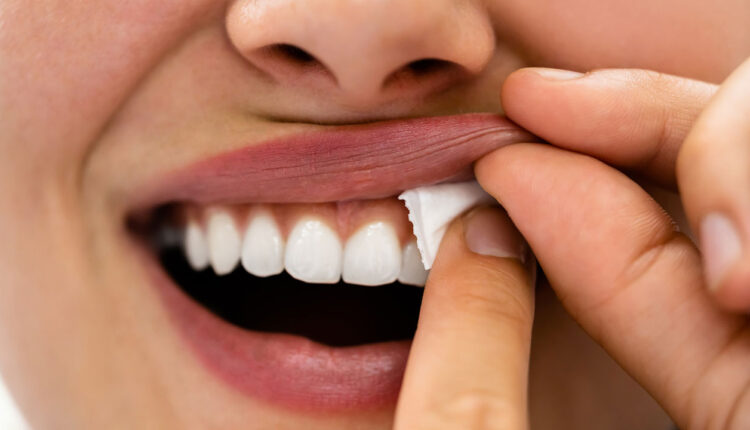
Nicotine Pouches Pose a Threat to Oral Health
As nicotine pouches gain popularity, oral health professionals are increasingly on the front line of identifying localized tissue damage, counseling patients, and monitoring for potentially significant oral complications.
Colorful, discreet, and marketed as tobacco-free, oral nicotine pouches have rapidly gained popularity among adolescents and adults seeking an alternative to cigarettes or vaping. While these products eliminate tobacco combustion and inhalation, they are not without oral health risks. As their use increases, oral health professionals are uniquely positioned to recognize early tissue changes and educate patients about potential complications.
Unlike smokeless tobacco, nicotine pouches deliver nicotine through the oral mucosa by resting between the lip or cheek and gingiva. This localized exposure produces high nicotine concentrations directly at the placement site, where clinicians are beginning to observe characteristic soft tissue changes. The most common clinical findings include localized erythema, mucosal irritation, gingival recession, and chronic inflammation corresponding to pouch placement. Prolonged exposure may impair fibroblast function, reducing the tissues’ ability to repair and regenerate while increasing the risk of attachment loss and recession. White keratotic lesions may also develop. Although these lesions are often reactive, persistent leukoplakia-like changes, ulceration, or mixed red-and-white lesions warrant close monitoring and, when indicated, biopsy to exclude dysplasia or malignancy.
Current evidence does not establish a direct causal relationship between nicotine pouches and oral cancer. However, chronic inflammation, repeated tissue injury, and sustained nicotine exposure remain biologically concerning, underscoring the need for ongoing surveillance as long-term research evolves.
A thorough medical history should now include specific questions about nicotine pouch use, particularly among young patients who may not identify themselves as tobacco users. Documentation of pouch placement sites, serial photographs of suspicious lesions, and routine soft tissue examinations can aid in monitoring progression or resolution.
Patient education should emphasize that “tobacco-free” does not mean “risk-free.” While nicotine pouches may reduce exposure to many harmful chemicals associated with combustible tobacco products, they can still produce clinically significant oral tissue changes. Early recognition, regular follow-up, and evidence-based counseling allow oral health professionals to intervene before localized damage progresses to more serious periodontal or mucosal complications. Click here to read more.