

Dental Hygienist Is Dedicated to Expanding Dental Care Across Rural Tennessee
Teresa O’Daniel BSDH, MS, RDH, is helping bring preventive oral healthcare to some of Tennessee’s most underserved communities while inspiring the next generation of dental hygienists to do the same.
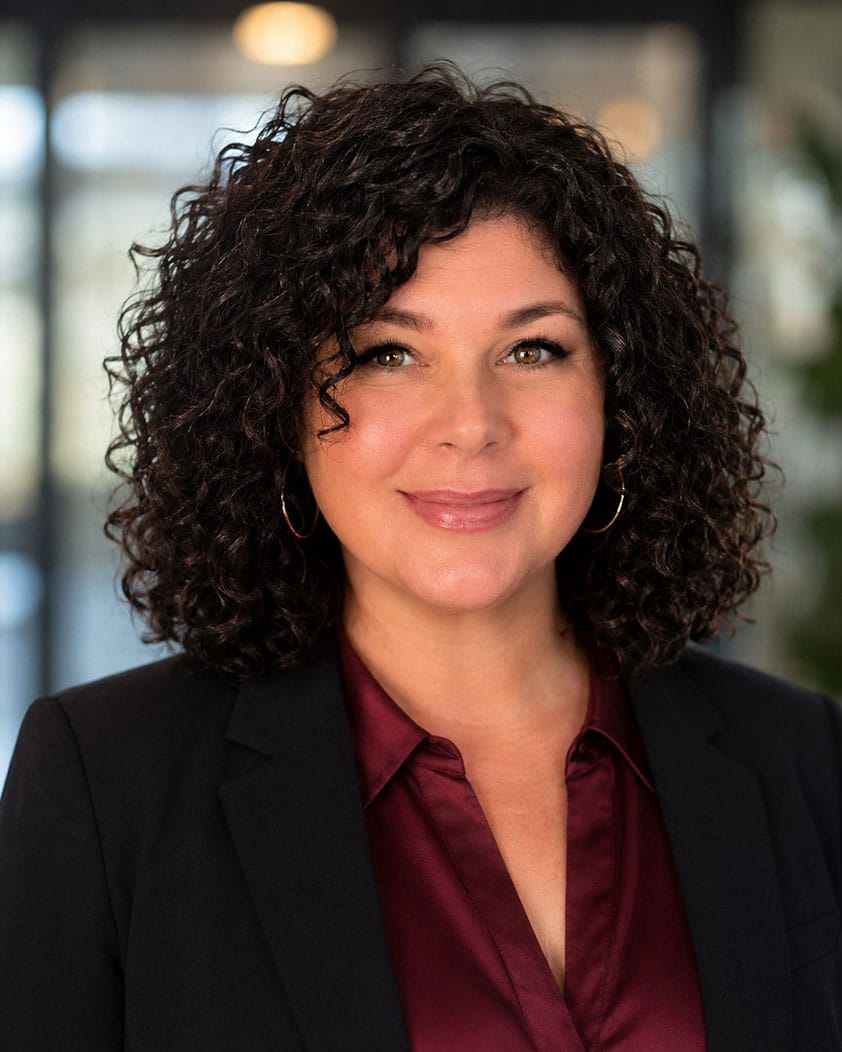
Teresa O’Daniel, BSDH, MS, RDH, didn’t start out dreaming of becoming a dental hygienist, but dentistry is in her blood growing up with a dentist father. After taking her mother’s advice to find a career path that would offer stability and independence, she was on her way to creating her own dental hygiene career.
Following a stint in clinical practice, O’Daniel realized she needed more than what the four walls of the operatory could provide. “What changed everything for me was accepting a public health position in a school-based sealant program. I loved working as a team with other hygienists, the outreach environment, the community interaction, and the opportunity to reach children who otherwise might not receive preventive care,” O’Daniel explains. “That experience opened my eyes to the larger issues surrounding access to care and oral health disparities, particularly in underserved communities.”
Her work in public health led her to academia where she is currently an assistant professor in the Department of Dental Hygiene at the University of Tennessee Health Science Center College of Dentistry in Memphis, in which she serves as course director for community dental theory and community dental practicum. She strives to create meaningful learning opportunities for dental hygiene students through service-learning and interprofessional education, with a focus on improving access to oral healthcare in rural and underserved communities.
What began as a simple phone call during downtime has grown into a sustained, multi-site outreach initiative led by O’Daniel to expand dental care access in rural Tennessee, including Lake County. Through partnerships with schools, senior centers, community ministries, and interprofessional health teams, O’Daniel has integrated hands-on service into dental hygiene education, bringing preventive care, screenings, fluoride treatments, and referral coordination directly to underserved communities. Her work not only delivers immediate clinical support but also builds long-term infrastructure, student commitment, and community partnerships designed to reduce oral health disparities and strengthen rural health systems.
“Many rural communities continue to face significant barriers to accessing oral healthcare, including provider shortages, transportation challenges, and limited preventive services. In Lake County, there had not been a practicing dentist in over 10 years. Our goal was not simply to provide one-time services, but to begin building relationships and creating continuity within the community, “O’Daniel notes.
The long-term impact of the program extends beyond the patients served. One of the most important aspects of the program is the opportunity for students to experience public health and community-based care firsthand.
“Students are exposed to real-world healthcare challenges and gain a better understanding of prevention, healthcare disparities, and the importance of meeting patients where they are. Experiences like these help shape future healthcare professionals who are more adaptable, compassionate, and aware of the needs of underserved populations,” she says. “Within three semesters, approximately 60 dental hygiene students have participated in both rural outreach and interprofessional experiences through rehabilitation hospital partnerships.”
O’Daniel has also created partnerships with rehabilitation facilities that serve patients who have experienced stroke that provide interprofessional learning experiences surrounding oral-systemic health and patient-centered care.
“Dental hygiene students work alongside speech-language pathologists, occupational therapists, and physical therapists to provide patient and caregiver education while learning from one another’s perspectives and areas of expertise. Students are encouraged to communicate and collaborate with healthcare professionals, caregivers, educators, and community stakeholders throughout these experiences,” she explains.
By combining community outreach, interprofessional collaboration, and experiential education, O’Daniel is creating a model for expanding access to care in rural communities. Her work demonstrates how dental hygienists can serve as powerful agents of change, improving oral health outcomes while preparing future clinicians to address the needs of underserved populations.