

The Miswak Comeback
The resurgence of the miswak highlights the importance of culturally competent care grounded in research and modern hygiene standards.
This course was published in the January/February 2026 issue and expires February 2029. The authors have no commercial conflicts of interest to disclose. This 2 credit hour self-study activity is electronically mediated.
AGD Subject Code: 149
EDUCATIONAL OBJECTIVES
After reading this course, the participant should be able to:
- Discuss the 2025 American Dental Hygienists’ Association Standards for Clinical Dental Hygiene Practice to summarize how miswak sticks complement today’s dental hygiene practices.
- Identify the history and application of miswak sticks in oral hygiene self-care.
- Note the benefits and limitations of using miswak sticks for oral hygiene practices.
- Highlight the importance of the Standards for Clinical Hygiene Practice, the use of the miswak, and the creation of a comprehensive dental hygiene care plan.
Dental hygienists are not just practitioners, they are experts and invaluable allies in the pursuit of optimal oral health. As trusted authorities on effective dental hygiene interventions, dental hygienists make critical clinical decisions that directly impact patient care. The responsibility of planning, implementing, and evaluating the oral-facial aspects of a comprehensive patient care plan is not taken lightly, and the American Dental Hygienists’ Association (ADHA) Standards for Clinical Hygiene Practice play a pivotal role (Table 1).1
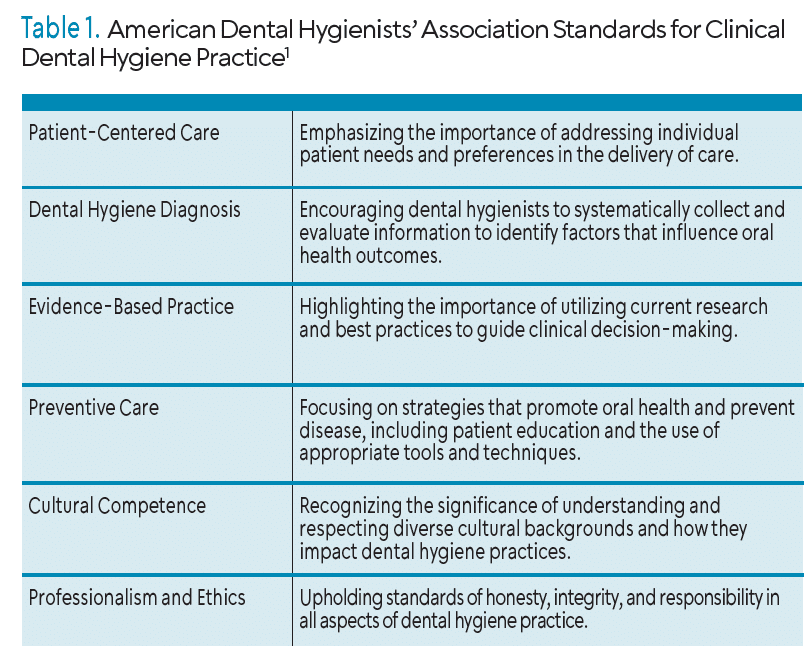 Revisions to the standards were made in 2025, amplifying the importance of a comprehensive dental hygiene care plan while ensuring that every patient feels understood and valued. While traditional methods of preventive care, such as toothbrushing and flossing, remain fundamental to oral hygiene, integrating these age-old practices with innovative technologies and advanced self-care solutions is imperative.
When dental hygienists take the time to understand patients’ cultural beliefs, especially those related to oral health and personal hygiene practices, they positively influence patients’ perceptions of self-care and the value of continued oral hygiene visits. Dental hygienists worldwide are learning about the cultures and specific beliefs of individuals regarding oral hygiene practices, the value placed on preventive-reparative care, and patients’ tolerance levels associated with dental procedures, which can influence how patients respond to treatment.2 By recognizing these beliefs, dental hygienists can tailor their communication and comprehensive dental hygiene care plans in a way that respects patients’ perspectives, helping to alleviate anxiety and build trust.
A miswak stick is not just a dental self-care aid but a cultural symbol reflecting oral hygiene practices steeped in tradition. As globalization continues to connect diverse cultures, individuals are increasingly drawn to practices that resonate with their heritage or those that promote a sense of authenticity in their self-care routines.
The rise of the wellness movement has also encouraged many to seek holistic approaches to health, including oral care. The miswak stick aligns with this philosophy, appealing to individuals looking for natural solutions that work in harmony with their lifestyle and beliefs. Incorporating patients’ cultural practices into oral health discussions can enhance patient-clinician relationships and improve self-care behaviors. Oral health professionals who educate patients about the benefits and limitations of miswak may find it a valuable addition to their preventive care strategies.
History and Application
Before the invention of nylon-bristle toothbrushes, people relied on a variety of methods to maintain their oral hygiene, including chewing sticks, tooth sticks, and teeth-cleaning twigs.3 The chewing stick is the original toothbrush.4 The exact origins of chewing sticks for cleaning teeth are somewhat unclear, but historical evidence suggests their use can be traced back to around 3500 BC in different parts of the world.5
Among the numerous plant species employed as chewing sticks, estimated to be around 182, one of the oldest and most popular that remains in use today is the miswak.6 It is derived from the roots or slender branches of the Salvadora persica.7 A small tree that grows in arid environments, Salvadora persica is native to countries such as Egypt, Saudi Arabia, India, and Nigeria.8,9
 The miswak has gained recognition not only for its effectiveness in cleaning teeth but also for its health benefits. It serves as a natural oral hygiene aid, exhibiting antibacterial, anti-caries, and anti-periopathogenic properties.10 In many countries, particularly in regions where the toothbrush tree is grown, the miswak stick is favored because it is readily available, inexpensive, and easy to use.
Additionally, religious beliefs and cultural practices significantly contribute to the continued use of miswak. Islamic scripture recommends performing the siwak (the act of using the miswak stick) a few times daily.11,12 The term “miswak” is an Arabic word meaning a tooth-cleaning stick.
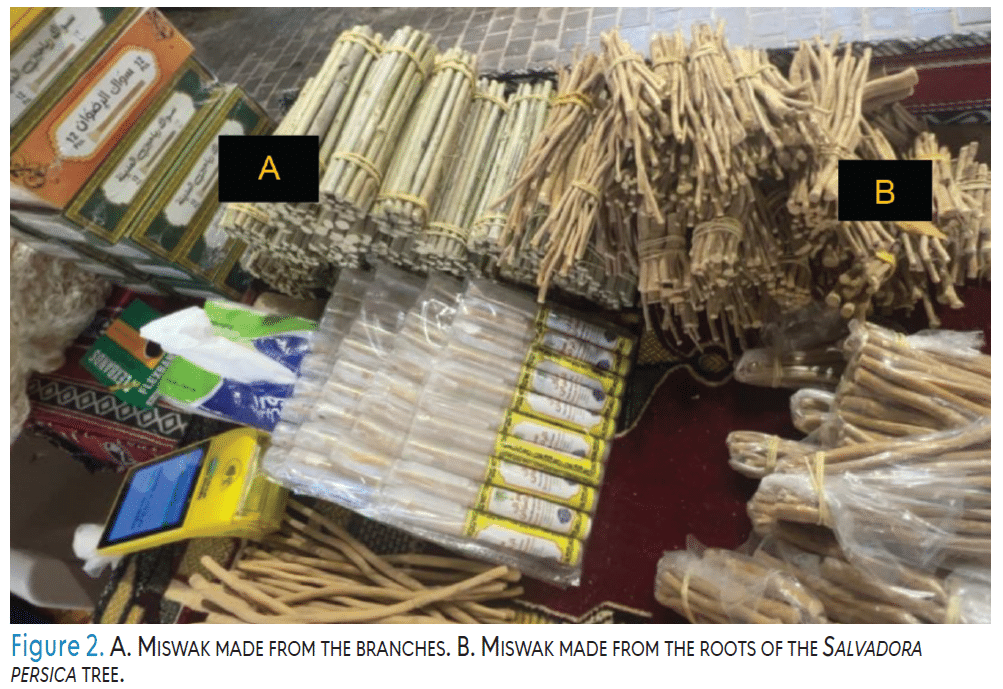
Miswak sticks can be made from both the roots and branches of the Salvadora persica tree, and each part has distinct characteristics and potential differences. The roots have a softer texture, making them easier to chew and form fibers than the branches. Research indicates that the roots generally contain a higher concentration of antibacterial properties.13 However, harvesting the roots may have a greater impact on the tree’s sustainability.
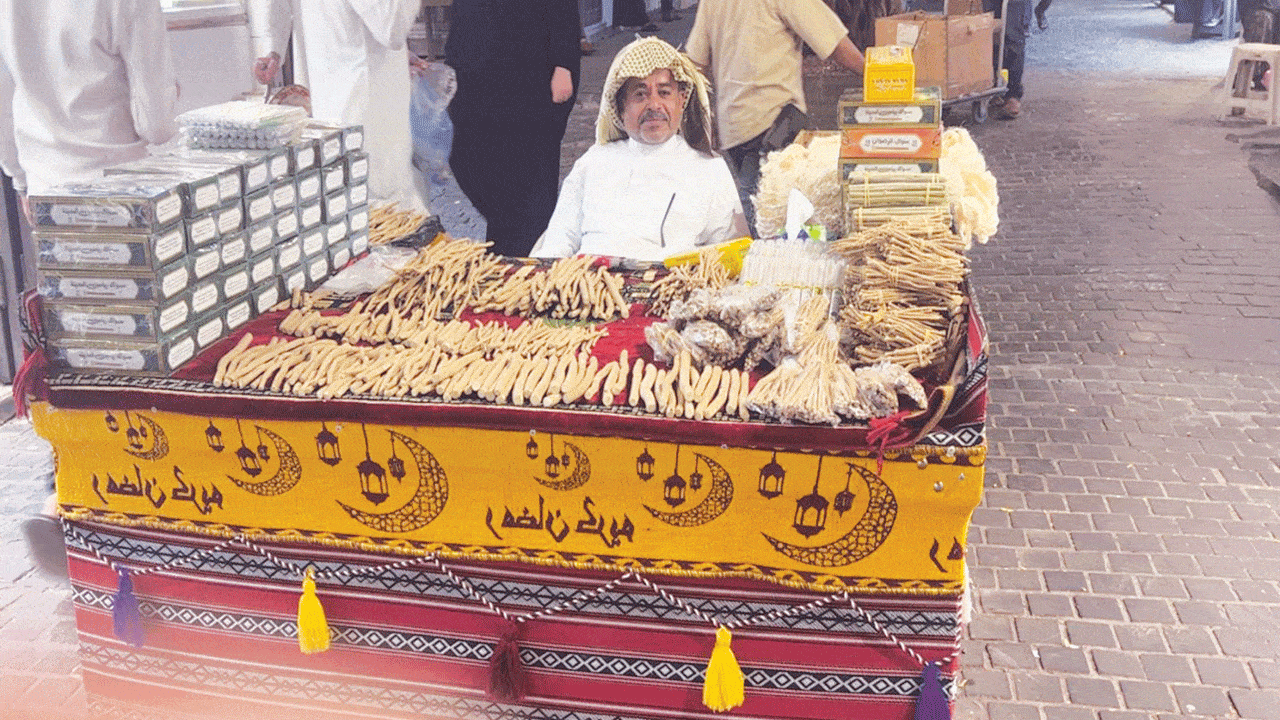
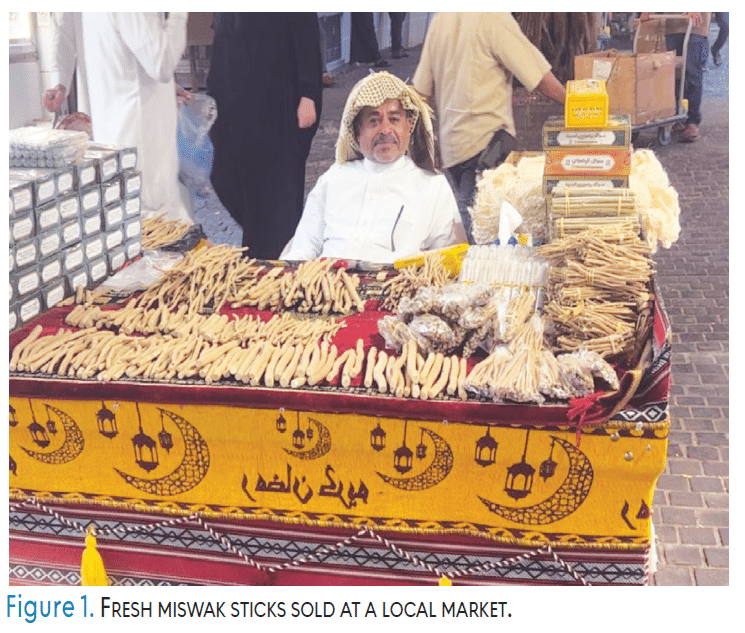
Conversely, branches can provide a firmer fiber because they are tougher and may last longer. Softening the fibers of the miswak may require more chewing for an extended period. Additionally, harvesting branches may be more convenient due to their availability. Both the roots and branches of the Salvadora persica tree offer effective options for oral hygiene. The choice between roots and branches often comes down to personal preference, availability, and the preferred texture. Understanding these differences can help users select the most suitable miswak for their oral hygiene needs (Figures 1 and 2).
 To use a miswak effectively, the length of the miswak is essential. One study found that an ideal miswak stick should be about 6 inches long and roughly 1/3 of an inch in diameter to make it easy to hold and carry.14
Benefits and Limitations
A vital component of the Standards for Clinical Dental Hygiene Practice emphasizes the importance of integrating current research and best practices into clinical decision-making. In this context, both the benefits and limitations of using miswak must be explored.
The therapeutic advantages of the Salvadora persica tree primarily come from an alkaloid known as Salvadorine, which has potent bactericidal properties. Its naturally bitter taste can help stimulate saliva production. Additionally, Salvadora persica is rich in several beneficial extracts, including sulfur, vitamin C, and sodium bicarbonate. In addition, the tree’s roots contain an oil composed of benzyl nitrate and benzyl isothiocyanate, which serve as chemopreventive agents.15
Research indicates that these extracts exhibit strong antibacterial effects against various bacteria, including Streptococcus mutans, Lactobacillus acidophilus, and Porphyromonas gingivalis.16,17 Furthermore, some patients may incorporate extracts from Salvadora persica, into various oral care products such as toothpaste, chewing gum, mouthrinses, and lozenges.18,19 Consumers seeking organic or natural dental care products may utilize these products, and dental hygienists must understand the therapeutic mechanisms behind their effectiveness in comparison to conventional dental hygiene practices.
The therapeutic effectiveness of antibacterial properties can be limited by several factors, particularly the concentration and variability of these properties in different parts of the harvested tree. For instance, roots may exhibit different antibacterial qualities compared to branches, which can significantly impact their therapeutic potential. Additionally, the environmental conditions in which the trees are grown play a crucial role in determining their effectiveness.
The miswak is biodegradable and eco-friendly, offering cleaning advantages similar to conventional toothbrushes. Additionally, the miswak is convenient because its use does not require toothpaste. In a randomized controlled trial involving 50 dental students, researchers compared the effectiveness of miswak sticks to conventional toothbrushes, focusing on changes in plaque and gingival indeces.20 The results showed that the group using miswak sticks experienced a significant reduction in plaque levels compared to the group using conventional toothbrushes. However, neither the miswak nor the toothbrush group showed a significantly different reduction in gingival inflammation.
One limitation of the miswak stick is that its use requires proper technique, including applying the correct amount of pressure, frequency of use, brushing duration, and quality of the stick’s working end.21 Some users may accidentally cause trauma or injury to their teeth and gingiva by excessively scrubbing in an uncontrolled motion. Signs of gingival irritation from toothbrushing trauma may include redness, scuffing, or small punctate lesions.
The fibers of the miswak stick often lack uniformity in texture and size. Consistent miswak use over time can increase the user’s risk of gingival recession, just as misusing a toothbrush can.22 A 2025 systematic review found that excessive or improper use of miswak may contribute to gingival recession. The authors emphasized the importance of careful patient assessment and noted that current evidence is insufficient to establish a clear, direct link between miswak use and a higher prevalence of gingival recession.23
Any improper or traumatic toothbrushing, whether with conventional toothbrushes or miswak sticks, can directly harm the teeth and supporting structures of the gingiva. Dental hygienists should demonstrate proper brushing technique to their patients.
Comprehensive Dental Hygiene Care Plan
The ADHA Standards for Clinical Dental Hygiene Practice play a crucial role in shaping the modern practice of dental hygiene by emphasizing the importance of integrating cultural practices into oral healthcare. This shift represents a significant evolution in the healthcare field, as it moves toward a more inclusive approach that prioritizes patient-centered care.
Research suggests that culturally competent care is associated with improved health outcomes and higher patient satisfaction.24 When dental hygienists are aware of and respect cultural differences, they can provide care that resonates with patients on a deeper level. This connection not only enhances the effectiveness of the care provided but also fosters a strong relationship between the clinician and the patient.
By inviting patients to share their cultural perspectives and personal experiences related to their oral hygiene, dental hygienists can cultivate an environment where open communication thrives. Patients are more likely to express their concerns and preferences when they feel understood and respected, which can lead to a patient-centered, comprehensive dental hygiene care plan and improved overall oral health.
A tangible example of this integration is the miswak stick. Used for centuries as a natural toothbrush with deep cultural and historical significance, the miswak stick can be introduced by dental hygienists to encourage patients to explore their own cultural practices in relation to oral health. However, dental hygienists must also adhere to evidence-based practice. This knowledge enables dental hygienists to effectively weigh the benefits against any potential limitations.
Integrating the components of the ADHA Standards for Clinical Hygiene Practice into the creation of the comprehensive dental hygiene care plan fosters a culture of continuous improvement within the profession. It encourages dental hygienists to stay updated with the latest advancements, best practices, and evidence-based approaches. This commitment to professional development not only enhances individual skills but also raises the overall standard of care within the dental hygiene community.
Conclusion
By incorporating the Standards of Clinical Hygiene Practice, the miswak, and a comprehensive dental hygiene care plan, dental hygienists can enhance patient interactions, boost satisfaction, and, ultimately, improve health outcomes. Engaging patients in dialogue about their cultural beliefs and practices related to oral care can lead to more effective and respectful treatment approaches, which benefits both patients and dental hygienists alike.
References
- American Dental Hygienists’ Association. Standards for Clinical Dental Hygiene Practice. Available at adha.org/ education-esources/standards/?_zs+B19OU1&_zl. Accessed December 2, 2025.
- Aliyu TK, Titus OS, Bernard OT, Alade OT, Ehizele AO, Foláyan MO. Cultural themes related to oral health practices, beliefs, and experiences in nigeria: a scoping review. Oral. 2025;5(2):23.
- Darout IA. The natural toothbrush “Miswak” and the oral health. Int J Life Sci Biotech Pharma Res. 2014;3:1.
- Elemi A, Selim MA, Mussa SM, et al. From tradition to evidence: a review of the therapeutic and preventive benefits of Miswak. Exp Clin Med Georgia. 2025;4:69-74.
- Aboul-Enein BH. The miswak (Salvadora persica L.) chewing stick: Cultural implications in oral health promotion. Saudi J Dent Res. 2014;5:9-13.
- Qureshi AA, Qureshi AA, Dohipoide A, Jamadar NN. Effects of miswak-Salvadora Persica on oral health. Al Ameen J Med Sci. 2016;9:215-218.
- Farag M, Abdel-Mageed WM, El Gamal AA, Basudan OA. Salvadora persica L.: Toothbrush tree with health benefits and industrial applications – An updated evidence-based review. Saudi Pharm J. 2021;29:751-763.
- Khan AL, Latif A, et al. Decoding first complete chloroplast genome of toothbrush tree (Salvadora persica L.): insight into genome evolution, sequence divergence and phylogenetic relationship within Brassicales. BMC Genomics. 2021;22:312.
- Iyenger E, Patolia J, Chikara J. A useful plant for coastal saline soils. Wastelands News. 1992;32:50-51.
- Ahmad H, Ahamed N. Therapeutic properties of meswak chewing sticks: A review. Afr J Biotechnol. 2012;11(83):14850-14857.
- Fauzi A. Contextualizing the meaning of the Siwak Hadith through Fazlur Rahman’s hermeneutic approach (a substantive-philosophical understanding). J Hadith Stud. 2018;1:135-152.
- Ramli H, Mohd-SAid S, Ismall AM, Dom TM. Siwak as a prophetic and evidence-based oral hygiene tool: a qualitative study among Islamic scholars. Islamiyyat. 2023;45(2):77-92.
- Ibrahim MM, Al Sahli AA, Alaraidh IA, Al-Homaidan AA, Mostafa EM, El-Gaaly GA. Assessment of antioxidant activities in roots of Miswak (Salvadora persica) plants grown at two different locations in Saudi Arabia. Saudi J Biol Sci. 2015;22:168-175.
- Batwa M, Bergstrom J, Batwa S, Al-Otaibi MF. The effectiveness of chewing stick miswak on plaque removal. Saudi Dent J. 2006;18:125-133.
- Haque MM, Alsareii SA. A review of the therapeutic effects of using miswak (Salvadora persica) on oral health. Saudi Med J. 2015;36:530-543.
- Halawany HS. A review on miswak (Salvadora persica) and its effect on various aspects of oral health. Saudi Dent J. 2012;24:63-69.
- Almas A, Almas K. Miswak (Salvadora persica chewing stick) and its role in oral health: An update. J Pak Dent Assoc. 2013;22:255-264.
- Nordin A, Bin Saim A, Ramli R, Abdul Hamid A, Mohd Nasri NW, Bt Hj Idrus R. Miswak and oral health: An evidence-based review. Saudi J Biol Sci. 2020;27:1801-1810.
- Hussein EF, Abdelgadir WA, Osman RM, Waddad AY, Abdelgadir AA. Formulation and antimicrobial evaluation of Miswak (Salvadora persica L.) chewing stick aqueous extract lozenges. Drug Des Open Access. 2021;10:1-6.
- Malik AS, Shaukat MS, Qureshi AA, Abdur R. Comparative effectiveness of chewing stick and toothbrush: A randomized clinical trial. N Am J of Med Sci. 2014;6:333-337.
- Al-Hammadi AA, Al-Rabai NA, Togoo RA, Zakirulla M, Alshahrani I, Alshahrani A. Knowledge, attitude, and behavior related to use of miswak (chewing stick): a cross-sectional study from aseer region, Saudi Arabia. Contemp Clin Dentistry. 2018;9(Suppl 1):S64-S68.
- Ramli, H, Mohd-Dom TN, Mohd-Said S. Clinical benefits and adverse effects of siwak (S. persica) use on periodontal health: a scoping review of literature. BMC Oral Health.2021:21:618.
- Suleman N, Sidrak M, Noussair J, et al. The prevalence of gingival recession among miswak (Salvadora persica L.) chewing stick users: a systematic review. J Herbal Med. 2025;51:101003.
- Theodosopoulos L, Fradelos EC, Panagiotou A, Dreliozi A, Tzavella F. Delivering culturally competent care to migrants by healthcare personnel: a crucial aspect of delivering culturally sensitive care. Soc Sci. 2024;13:530
From Dimensions of Dental Hygiene. January/February 2026; 24(1):40-45