
Could Periodontal Pathogens Be Fueling Neurodegeneration?
Emerging research suggests that Porphyromonas gingivalis contributes to blood-brain barrier disruption, neuroinflammation, and processes associated with Alzheimer disease.
Which periodontal pathogen has been most strongly associated with mechanisms linked to Alzheimer disease?
 spawns / E+
P. gingivalis is a major periodontal pathogen that has been detected in association with several biological processes implicated in Alzheimer disease, including neuroinflammation, blood-brain barrier disruption, and the production of virulence factors known as gingipains.
What are gingipains?
 Miyako Nakamura / iStock / Getty Images Plus
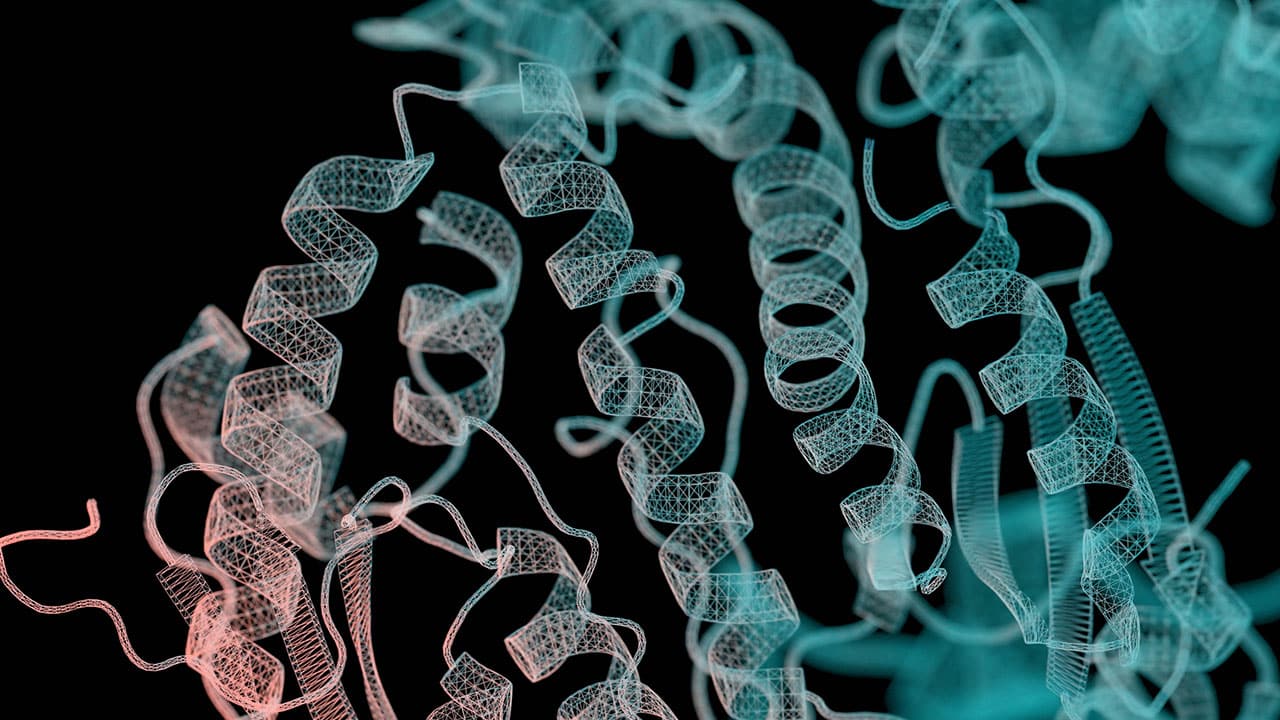
Gingipains are powerful proteolytic enzymes produced by P. gingivalis that contribute to tissue destruction, immune evasion, and inflammatory processes. Research has identified gingipains in the brains of many individuals with Alzheimer disease.
Why is maintaining periodontal health important according to current research?
 Vertigo3d / E+
Growing evidence shows that periodontal pathogens and their virulence factors may influence systemic conditions, including neurodegenerative diseases. Preventing and treating periodontal diseases may help reduce oral inflammation and potentially lessen broader systemic effects.