
Battle of the Biofilm: Does Mouthrinse Make a Difference?
From chlorhexidine to essential oils, emerging evidence reveals which rinses truly disrupt biofilm and how to match them to patient needs.
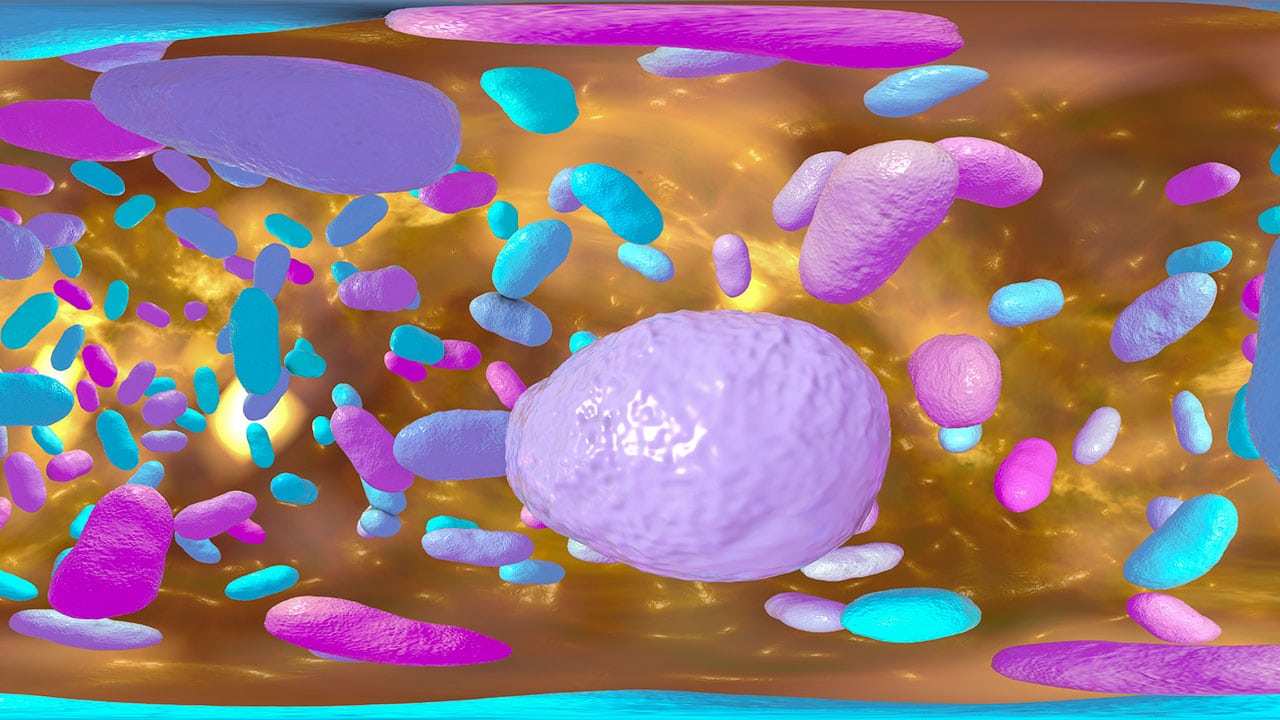
What key process allows bacteria within oral biofilm to coordinate growth and maturation?
 Dr_Microbe / iStock / Getty Images Plus
Quorum sensing is a bacterial communication system that enables microorganisms to coordinate behavior, including biofilm formation and maturation. This process is critical in developing complex biofilm structures that contribute to caries and periodontal disease progression.
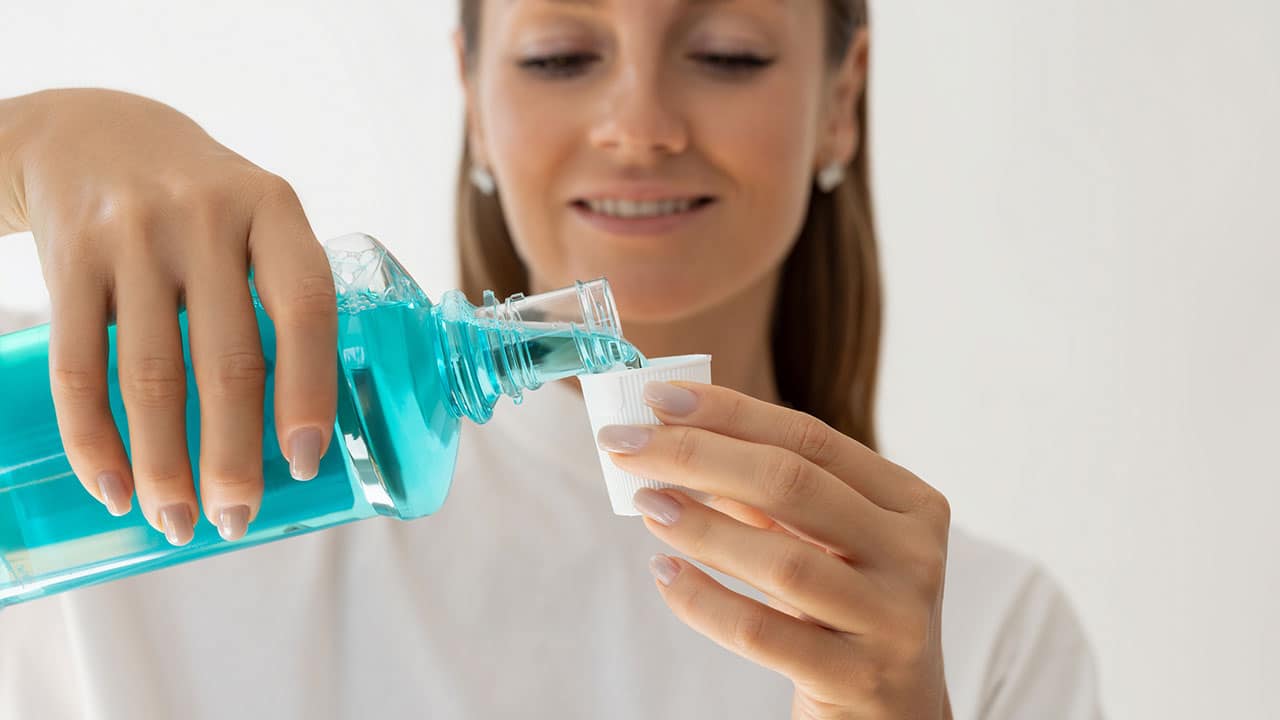
Which mouthrinse ingredient is considered the gold standard for biofilm reduction but is associated with side effects such as staining and altered taste?
 bymuratdeniz / iStock / Getty Images Plus
Chlorhexidine is a broad-spectrum antimicrobial agent with strong evidence supporting its effectiveness in reducing biofilm and gingivitis. However, its use is often limited by side effects such as extrinsic staining, taste alteration, and increased calculus formation.
Which statement best describes the mechanism of action of cetylpyridinium chloride?
 Jae Young Ju / iStock / Getty Images Plus
Cetylpyridinium chloride interferes with bacterial adhesion and quorum sensing, disrupting early biofilm formation and delaying gingivitis. While effective for supragingival biofilm, it is less potent than chlorhexidine and does not penetrate deeply into periodontal pockets.