
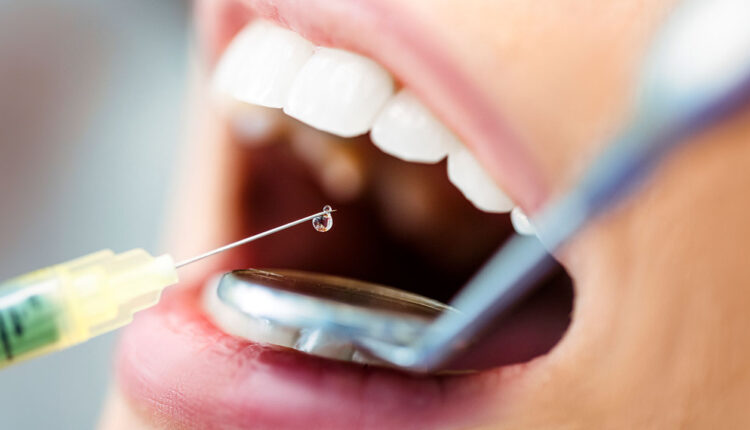
Who Should Give the Shot? New Anesthesia Pilot for Dental Assistants Sparks Fierce Debate
A new California pilot program would allow dental assistants to administer local anesthesia, a move many dentists welcome for workflow efficiency and cost savings. But dental hygienists warn that expanding anesthesia privileges to clinicians with far less scientific training could jeopardize patient safety and weaken long-standing professional standards.
A new pilot project in California is reigniting a long-running debate within dentistry: should dental assistants be permitted to administer local anesthesia? The proposal focuses on Registered Dental Assistants in Extended Functions 2 (RDAEF2s), a group already authorized to perform a wide array of advanced procedures ranging from fillings and crowns to final impressions and root canal assistance. Dentists view the initiative positively, citing streamlined workflow and lower staffing costs. Dental hygienists, however, are pushing back, arguing that assistants lack the depth of biomedical education and clinical training necessary to safely deliver anesthetic injections.
The pilot, approved under HWPP #176, creates an optional post-licensure permit for RDAEF2s who meet strict criteria: completion of a post-secondary EF2 program, passing state exams, licensure dating from 2010 or later, and current employment in a dental practice. The training model includes a 350-hour didactic curriculum delivered online, covering anatomy, physiology, oral pathology, pharmacology, medical emergencies, and the chemistry of anesthetics, followed by 52 hours of laboratory, preclinical, and clinical sessions. A 5-month workplace component will track outcomes and evaluate the feasibility of integrating anesthesia delivery into the EF2 scope of practice.
Supporters argue that RDAEF2s already perform complex restorative workflows once reserved exclusively for dentists and that access to anesthesia aligns with their existing skill set. Allowing assistants to administer anesthesia, they say, would prevent treatment delays, reduce interruptions for dentists and dental hygienists, and improve patient comfort, especially during multi-step restorative procedures.
Dental hygienists counter that the comparison is misleading. Local anesthesia requires not only motor skills but deep knowledge of head and neck anatomy, physiology, and pharmacology, subjects in which dental hygienists receive far more rigorous and accredited education. They also note a concerning contrast: Rhode Island only in 2025 finally authorized dental hygienists to administer local anesthesia, highlighting how cautiously states have moved in this area even for a profession built on preventive care and rigorous coursework. Expanding injection privileges to assistants, dental hygienists warn, risks lowering educational standards and potentially compromising patient safety.
As the pilot proceeds with its initial cohort of 12 trainees, the profession will closely watch outcomes, complication rates, and patient experiences. Depending on the results and the political momentum California could become the first state in the nation to authorize RDAEF2s to provide local anesthesia. Click here to read more.