
The High Cost of Ignoring Dental Caries
A new case report illustrates how untreated dental caries progressed into a fatal deep neck infection, underscoring the dangerous consequences of delayed dental intervention.
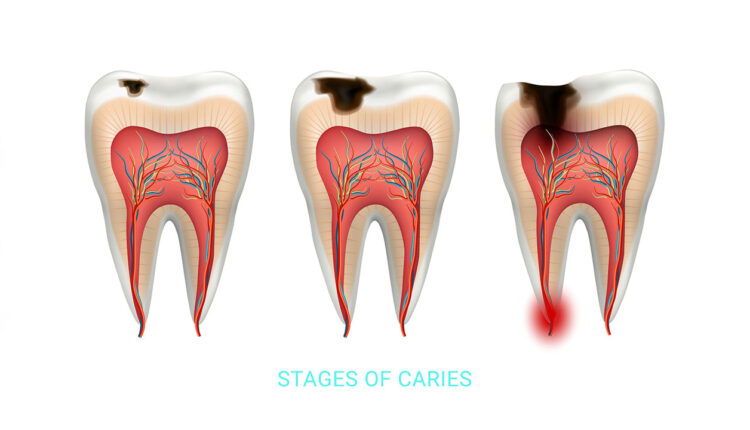
Oral disease is often viewed as localized and manageable, but a recent case report challenges that assumption with tragic clarity. The report, published in the American Journal of Case Reports, details the death of a 65-year-old man whose untreated dental caries ultimately led to a deep neck infection, sepsis, and heart failure.
The patient initially presented to medical providers with vague symptoms, including malaise and neck stiffness. Laboratory findings suggested a serious infection, but the source was unclear. Despite advanced imaging that revealed extensive inflammation and abscess formation in the retropharyngeal and epidural spaces, clinicians struggled to identify the origin. Early treatment focused on broad-spectrum antibiotics and ruling out nonoral causes, such as pulmonary embolism and urosepsis.
Surgical intervention followed, including drainage of the abscess and airway stabilization. Blood cultures identified methicillin-sensitive Staphylococcus aureus, yet the underlying source remained elusive until a preoperative evaluation raised concerns about the patient’s oral condition. A dental consultation revealed extensive caries and poor oral hygiene, leading clinicians to conclude that the infection was odontogenic in origin. Multiple teeth were extracted, but despite aggressive care, the patient succumbed to sepsis-related heart failure.
The case highlights how odontogenic infections can progress silently, presenting with nonspecific symptoms that delay diagnosis. Retropharyngeal abscesses, while uncommon, are known complications of dental disease and can become life-threatening if untreated.
This case underscores the importance of comprehensive assessments, risk-based preventive strategies, and clear communication about the systemic consequences of oral disease. It also points to the need for stronger integration between dental and medical care.