
Missouri Pushes New Dental Assistant Role Into Periodontal Care
A proposed Missouri rule would allow oral preventive assistants to perform periodontal probing, supragingival scaling and other preventive procedures, raising questions about education, competency, and whether expanding the dental team can improve access without compromising care.
The Missouri Dental Board, with the support of the American Dental Association, is promoting a new rule that would create a periodontal expanded function dental assistant (EFDA), which is also known as an oral preventive assistant (OPA). The proposed rule remains under review by the board’s administrative process.
This change was proposed after the completion of the Missouri OPA-EFDA pilot project, which investigated the results of 15 OPA-EFDAs treating 1,626 patients under direct supervision between January 2024 and October 2025. According to the report, “The OPA-EFDA proposed scope of practice is to assist dental hygienists and dentists in the triage of new patients and the care of healthy patients and gingivitis patients.”1
The following duties are within the Missouri OPA-EFDA scope of practice:
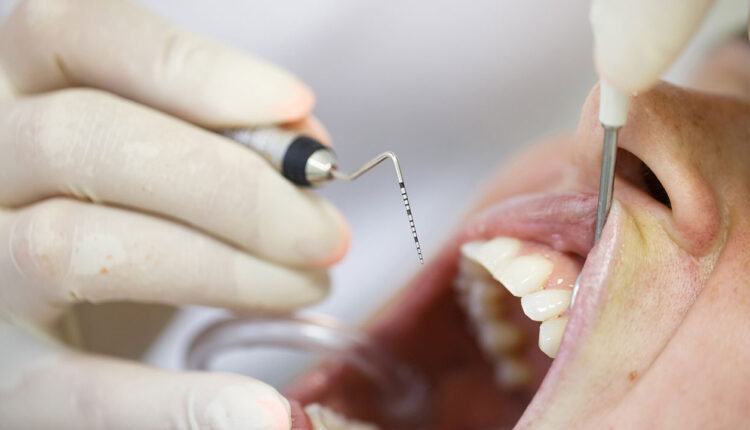
- Periodontal probing
- Supragingival scaling
- Coronal polishing
- Placement of glass ionomer sealants, fluoride varnish and silver diamine fluoride
Results of the small study found that patients treated for gingivitis had outcomes that aligned with accepted clinical standards and the performance of the OPA-EFDAs was noted as positive by patients and supervisors.
The reasoning behind the expansion of dental assistants’ scope of practice is to increase the number of providers in rural areas and in practices that accept patients covered by Medicaid.
The American Dental Hygienists’ Association (ADHA) and the Missouri Dental Hygienists’ Association (MDHA) strongly oppose the OPA model as it encroaches upon procedures, mainly supragingival scaling and periodontal probing, performed by dental hygienists who have more education than dental assistants.
Both the ADHA and MDHA assert that preventive dental care requires health assessment, early disease identification, broad understanding of the oral-systemic link, and ability to create tailored treatment plans, all of which fall under the skill and education of dental hygienists.
Dimensions of Dental Hygiene reached out to Diann Bomkamp, RDH, BSDH, CDHC, FADHA, past president of ADHA and chair of MDHA’s Legislative Council, to get her take on Missouri’s proposed OPA model. “There are numerous problems with this model. The first being the lack of necessary education and assured clinical competency and judgment of the OPA. Second, the research supporting the OPA is based on a poorly constructed Missouri OPA-EFDA pilot program. Third, the direct supervision requirement will force dentists to take more time away from their already packed schedule because now they must check ‘healthy’ patients and ‘patients with gingivitis’ twice: before and after incomplete treatment. And finally, this model provides at-risk populations with substandard care.”
While access to care remains a significant issue throughout the United States, it remains to be seen whether this sort of expansion of duties to dental team members with less training and education is the answer.
Reference
- Missouri Dental Association and American Dental Association Health Policy Institute. Missouri Oral Preventive Expanded Function Dental Assistant Pilot Project.