
The Unseen Key to Patient Safety
Effective strategies for keeping the utility room clean in dental offices.
Even though the utility room is essential for daily operations in dental clinics, it is often not given the attention it deserves. The air compressor and vacuum units are often housed in a separate section of the office and their reliable operation and adherence to regulations depend on regular maintenance and ongoing vigilance. If you don’t take care of the utility room, patient care, operational costs, and the health of everyone in the office may be negatively impacted.
A clean, well-organized utility room supports the longevity of dental equipment. Dental office down days will tragically affect your schedule, budget, and salaries. This is why preventive maintenance should be top of mind. Even minor issues, such as dust and debris buildup, can restrict airflow and force systems to work harder than necessary, ultimately shortening their lifespan. This is why routine inspection and maintenance are essential to reducing equipment failure and minimizing the risk of compromised dental procedures.
For example, poor maintenance may result in clogged filters and vacuum lines, which can severely restrict the performance of dental equipment. Ignoring regular upkeep not only hampers efficiency but also compromises the safety of both patients and staff. Inadequate maintenance can also lead to moisture in the air compressor, which can affect bonding agents, leading to premature failure in dental procedures and handpieces.
Safety and Infection Prevention
 Dental compressors and vacuum systems play a critical role in infection control and directly impact infection prevention. If these systems are not properly maintained — and if chemicals are stored in these areas — moisture, which leads to bacterial growth, and chemical vapors can accumulate and migrate into the operatory, compromising air quality. In addition, reduced suction efficiency can increase aerosol spread during clinical procedures.
Managing the utility room also influences environmental safety. To keep mercury and other dangerous substances out of the water system, the United States Environmental Protection Agency (EPA) says that amalgam separators must be used. To follow EPA and occupational safety rules, the amalgam separator and other important parts must work properly. If these systems aren’t maintained, they can go into bypass mode, which lets dangerous waste pass through without being treated. To stay compliant and keep working at their best, these separator filters need to be replaced on a regular basis, usually once per year.
Keeping written records of how and when to service this equipment lowers liability and is in line with guidelines for preventing and controlling infections.
Daily Discipline That Pays Off
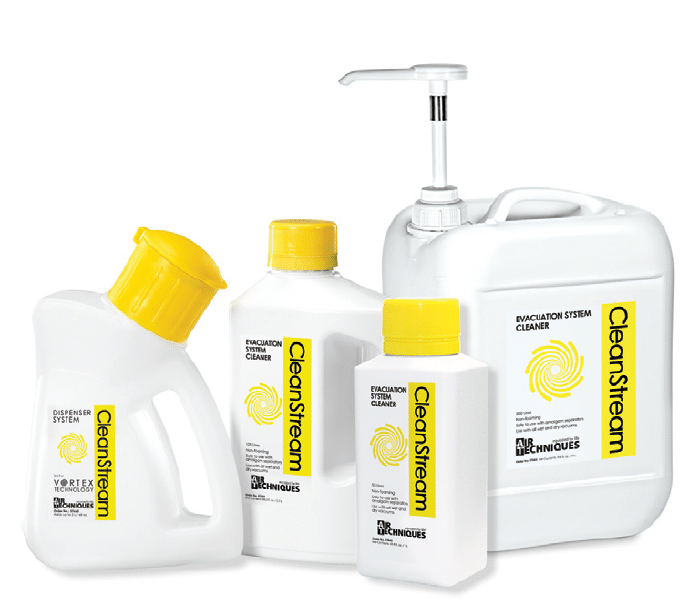
Utility room maintenance doesn’t need to be overwhelming. A consistent checklist can make a big impact. At a minimum, suction lines should be cleaned daily with a nonfoaming cleaner, such as CleanStream from Air Techniques; traps need to be inspected weekly; and compressor systems monitored for moisture and air pressure changes. Amalgam separator filters should be checked regularly and replaced according to usage, but at least annually.
By keeping these systems in top condition, dental practices ensure smooth clinical workflows, protect staff and patient health, and avoid costly repairs or downtime. Maintaining the utility room is not an extra task, it is a basic one.
It wasn’t until later in my career that I realized how much the utility room impacts not just the functionality of equipment, but patient care, clinician safety, and practice operations. Early on, I didn’t know how much was at stake behind that closed door. Like many, I was more focused on the treatment room. But when the utility room fails, everything stops.
Consistent maintenance of this area can improve every part of clinical treatment, from helping to prevent infections to protecting the environment to making equipment last longer. To ensure safe, effective, and uninterrupted patient care, dental teams should include regular checks of utility rooms in their overall maintenance and compliance plans.
Air Techniques
airtechniques.com
800-AIR TECH (247-8324)
From Dimensions of Dental Hygiene. January/February 2026; 24(1):27